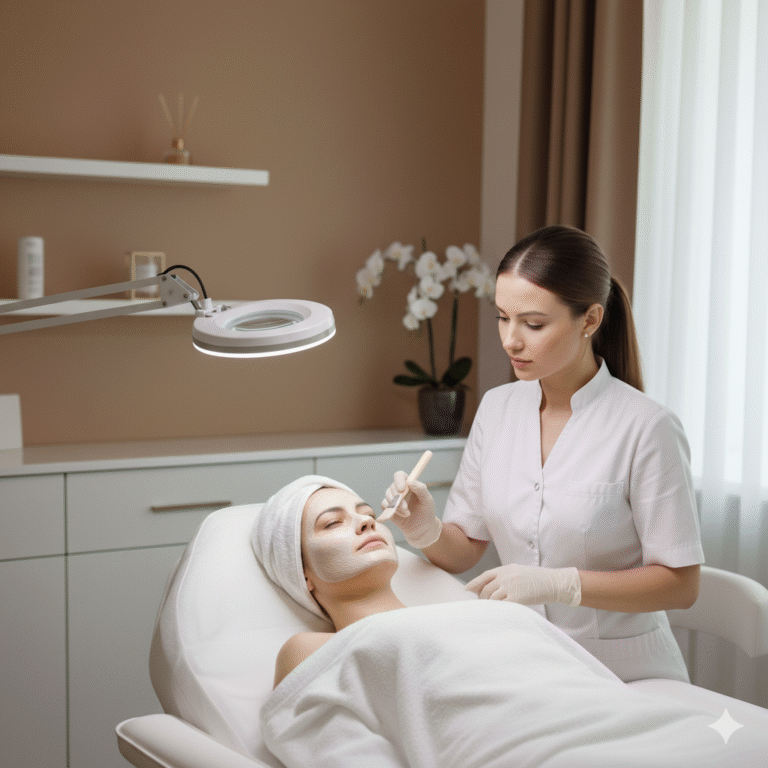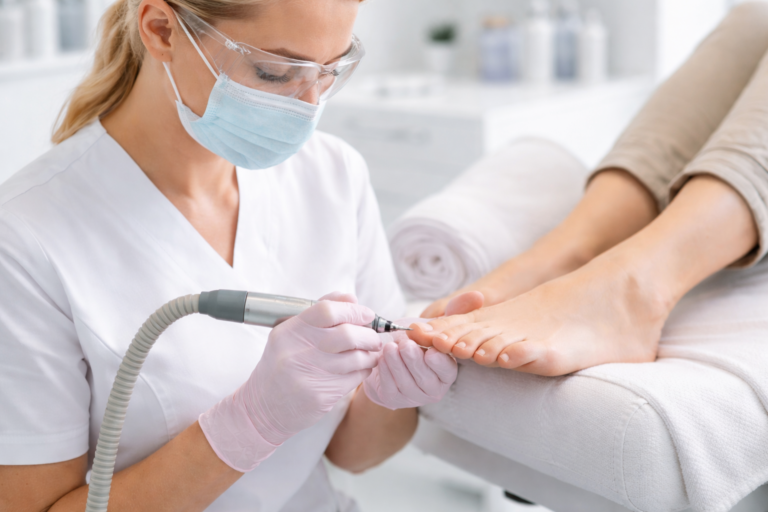

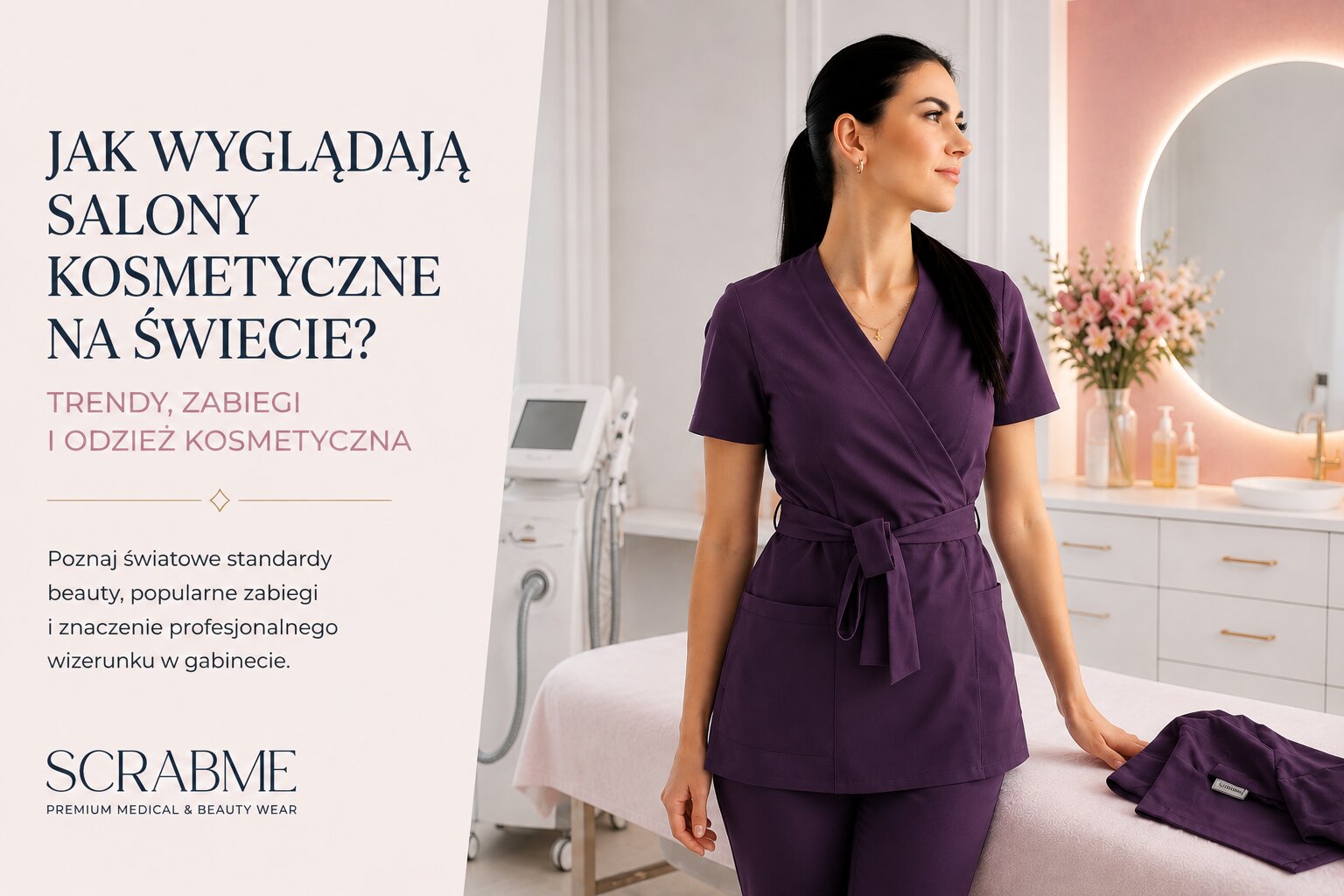
The market for aesthetic and cosmetological services is developing dynamically, setting global directions in skin care. Although the goal of beauty establishments remains universal—improving skin condition, smoothing its texture, and ensuring a sense of comfort for clients—culture, local habits, and legal frameworks mean that a visit to a salon in Seoul, New York, Paris, or Warsaw unfolds differently. These differences become apparent in the treatment menu, interior design, as well as in hygiene standards, workstation ergonomics, and staff attire. Appropriately selected cosmetic clothing it has become an international hallmark of professionalism, reflecting the specificity of a given work culture.
Understanding international realities allows clinic owners and beauticians to draw on proven models from abroad. From the Scandinavian emphasis on sustainability, through American efficiency, to Asian innovation – each market brings unique value to everyday professional practice.
Why do beauty salons vary depending on the country?
The way aesthetic clinics operate is rooted in the local lifestyle, approach to the skin ageing process and the structure of market demand. The appearance of the salon and the specifics of the staff's work stem from several key factors:
- Skincare culture: In some regions of the world, visiting a clinic is treated as an element of regular prevention, while in others as an occasional luxury or a quick correction of imperfections.
- Legal regulations and professional qualifications: The scope of treatments performed by cosmetologists, estheticians, and physicians is strictly regulated by law and varies depending on the jurisdiction.
- Sanitary and epidemiological standards: Requirements for tool sterilisation, room ventilation and protective clothing directly affect the organisation of the treatment space.
these differences translate into the day-to-day operations of clinics, the treatments chosen and the staff workwear.
South Korea and Japan – technology, ritual and precision
In many developed Asian markets, particularly in South Korea and Japan, great importance is attached to regular skincare, prevention, and the implementation of technological innovations. South Korea is one of the world's most important hubs for the development of beauty trends and advanced formulations.
The most popular trends and procedures
In Asian salons and clinics, treatments aimed at hydration, evening out skin tone and improving skin structure are very popular. Commonly used procedures include:
- Non-invasive hydrogen purification and microcurrent stimulation.
- Layered therapylayering) using concentrated ampoules.
- LED light therapy treatments.
In professional dermatology clinics and aesthetic medicine practices, procedures using regenerative technologies are gaining popularity, including treatments known as exosomal preparations, which are used to rebuild the skin barrier under the supervision of specialists. Effect glass skin (smooth, radiant skin) remains a key benchmark in Asian skincare.
The appearance of the showrooms and the aesthetics of the work
The interiors of the salons in Seoul and Tokyo are characterised by functional minimalism, a light colour palette and sophisticated lighting. The treatment equipment is displayed in an orderly manner. In the treatment rooms, care is taken to ensure soft background music and discretion.
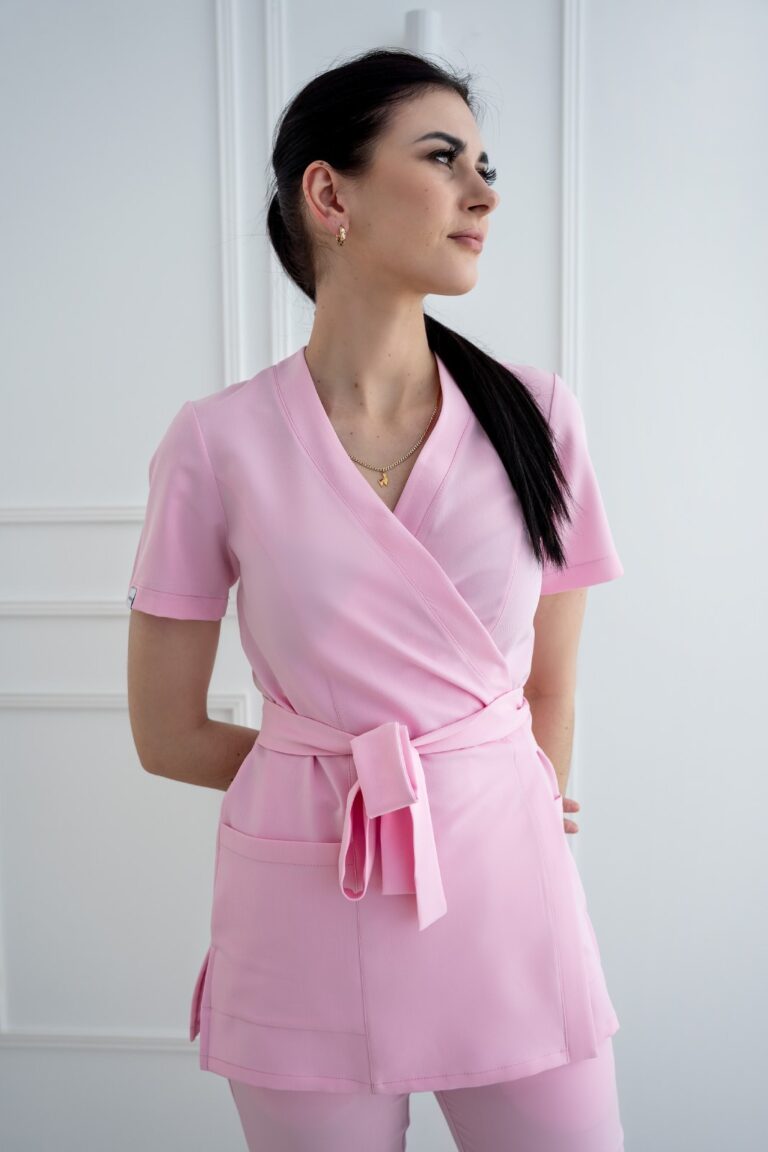
Hygiene standards require staff to take the utmost care with their attire. Elegant, perfectly tailored cosmetic uniform in light colours (white, cream, powder pink) is the norm. The absence of creases in the fabric and the understated style of the outfit convey respect for the customer.
USA – med-spa, efficiency and modern technology
A strong segment has emerged in North America medical spa (med-spa) – centres that combine a relaxing atmosphere with a range of advanced treatments at the intersection of cosmetology and aesthetic medicine.
Differences in the structure of services: cosmetology versus medical procedures
When analysing the US market, it is essential to distinguish between different professional qualifications. Qualifications for beauticians (beauty therapist) vary by state and generally include surface treatments, cosmetic peels and massages.
In contrast, invasive procedures – such as the administration of botulinum toxin, dermal fillers or high-power laser treatments – are reserved for qualified aesthetic nursing practitioners (aesthetic nurses), doctors or persons working under their direct medical supervision.
Interior specifics and work organisation
American med-spas are designed to ensure comfort and high throughput. They often utilise striking finishing materials (stone, metal elements, elegant lighting). At the same time, in large metropolises there operate so-called. express beauty bars, where clients enjoy quick refreshing treatments during the working day.
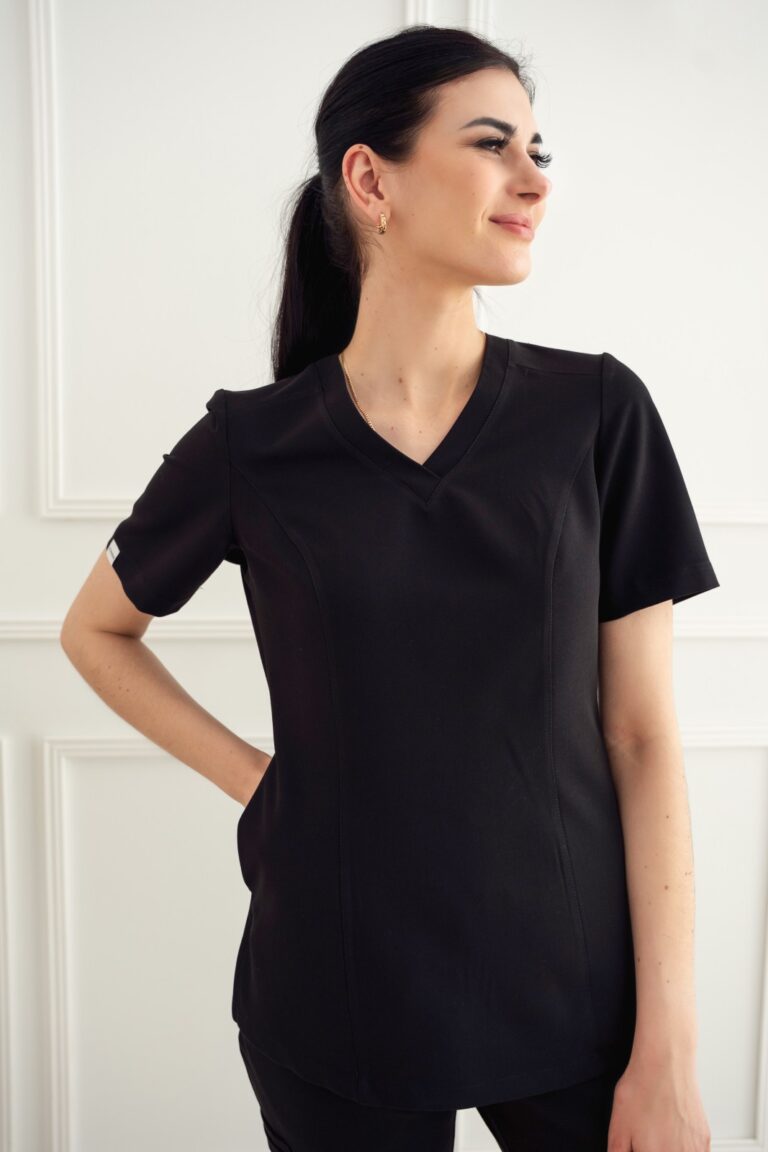
In a high-pressure work environment, staff prioritise their comfort. Clothing for beauticians and the staff at US med-spas are functional: darker colours (navy blue, black, charcoal) are commonly chosen, and clothing cuts feature practical pockets and are made from fabrics with added elastane fibres.
France, Italy and Germany – tradition, massage and strict hygiene standards
The European beauty market embodies a balanced approach, combining traditional manual techniques with modern active ingredients.
France and Italy – massage culture and sophistication
In France and Italy, a large role in beauty salons (beauty salons) played by proprietary facial and body massage techniques (e.g. draining, modelling or fascial massages). An important element of the offer is cosmetics based on plant extracts and thermal waters.
Interiors are often decorated in a classic, cosy style. The appearance of the staff is subdued – fitted predominates clothing for beauticians in a muted colour palette (beige, olive green, grey). Emphasis is placed on the quality of the fabric, meticulous finish of the seams and wearing comfort during manual treatments.
Germany – hygiene, functionality and ecological cosmeceuticals
In Germany, beauty salons place emphasis on the certification of the products used and strict adherence to hygiene procedures. Clients look for treatments that strengthen the skin's protective barrier, soothing therapies and organic products.
The interiors are orderly and well-lit. Beauty therapist's uniform in German practices it must meet strict practical requirements: be resistant to frequent washing at high temperatures, ensure freedom of movement and demonstrate long service life.
Scandinavia – ergonomics, hygge and sustainability
In Scandinavian countries (Sweden, Norway, Denmark), the approach to cosmetology is based on simplicity, ecology and care for the health of employees.
Market specifics
In Scandinavia, vegan, hypoallergenic and fragrance-free cosmetics are popular. Due to harsher climatic conditions, salons offer many treatments that strongly regenerate, moisturise and protect the epidermal barrier.
Workstation ergonomics
Scandinavian clinics emphasise ergo-design. Electrically adjustable treatment chairs, ergonomic saddle stools and efficient dust extraction systems are standard. Workwear is simple, loose and highly functional – made from breathable materials that facilitate optimal thermoregulation.
Beauty salons in Poland against the background of global trends
The Polish beauty market is developing dynamically and is valued for the high standard of services provided.
What makes the Polish beauty market stand out?
Polish beauty and aesthetic medicine salons combine access to modern equipment with a wide range of massages and care treatments. The Polish beauty sector is characterised by a high level of staff education – graduating with a degree in cosmetology is a common path to gaining professional qualifications.
The standard of equipment in Polish salons is on a par with leading facilities in Europe or the USA. Attention to visual identity, sterility and treatment setting is at a high level.
How are the expectations of Polish customers and the image of the staff changing?
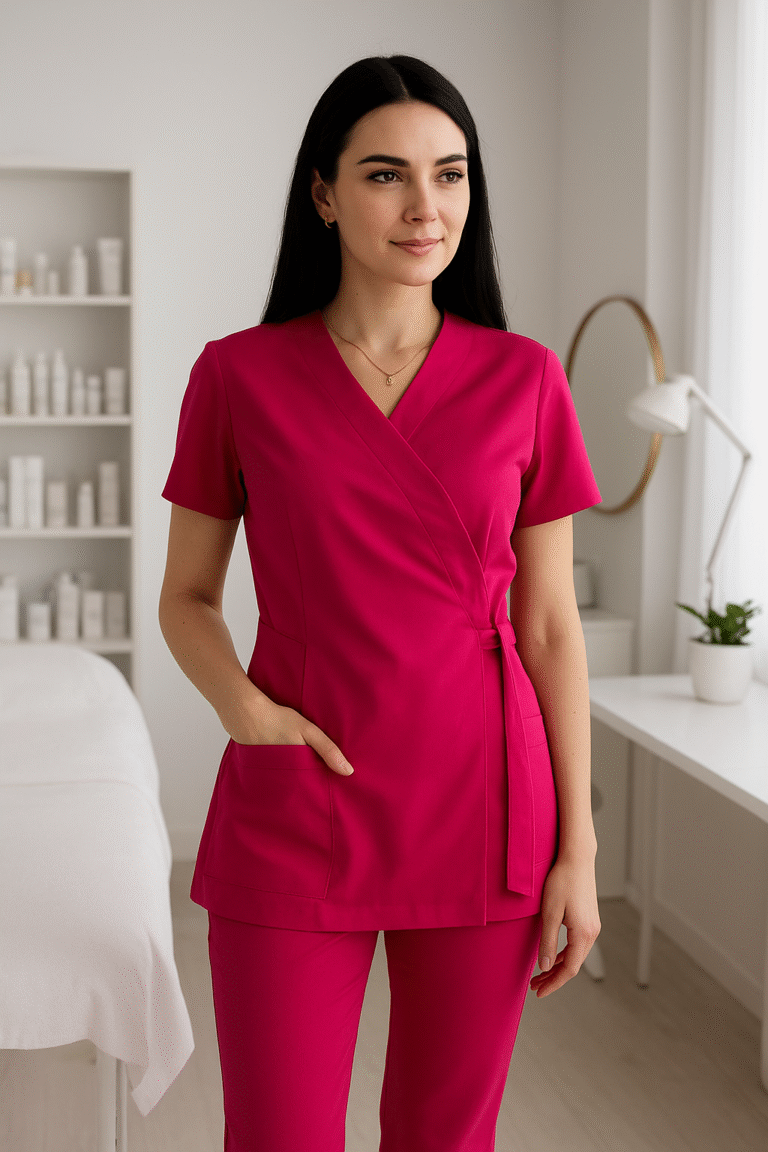
Polish clients show high awareness regarding cosmetic ingredients and treatment procedures. They pay attention to salon hygiene, expert knowledge and the professional appearance of staff. In response to these expectations, tailored premium beauty wear is becoming standard in Polish salons, replacing traditional, simple tunics.
How to choose beauty industry workwear according to the type of work?
Selective analysis of market realities clearly shows that the appropriate selection of workwear has a direct impact on comfort and efficiency at work. The outfit should be tailored to the dynamics of the treatments performed in a given practice.
Beauty tunic – style and functionality
The upper part of the outfit remains visible to the client during most treatments. It is worth paying attention to its construction:
- Cut: Fitted cosmetic sweatshirt ensures an aesthetic appearance without restricting the range of movement of the arms during manual treatments or operating equipment.
- Pockets: Practical, well-placed pockets allow for the storage of essential accessories without the risk of them falling out when bending over.
Beauty trousers and joggers – freedom of movement
During many hours of standing or sitting, the comfort of your lower clothing is crucial:
- Beauty joggers: They have an elasticated waistband and ankle cuffs, which prevent the material from shifting and ensure comfort when changing position frequently.
- Plain beauty trousers: Classic designs, suitable for executive offices with a prestigious character.
Materials and their properties
The functional properties of workwear are determined by the composition, weight, weave and construction of the knitted or woven fabric:
- Viscose blend: It gives the fabric softness, smoothness and good breathability, increasing wearing comfort.
- Elastic fibres (e.g. elastane): The appropriate material construction with the addition of elastane ensures the fabric stretches and returns to its original shape, which prevents sagging at the elbows or knees.
- Polyester fibres: They are responsible for structural durability, colour fastness to washing and quicker drying.
It is worth choosing products that meet the criteria OEKO-TEX STANDARD 100. This certificate confirms that the textile product has been tested for harmful substances and meets specified skin safety standards.
How does beauty clothing influence the image of a salon?
Staff attire is an element of the brand's visual identity. A cohesive, well-tailored outfit builds trust, signals professionalism and shows attention to sanitary and hygienic standards. By ensuring the aesthetics and comfort of the clothing, salon owners raise the perceived quality of the services provided.
If you are looking for workwear that combines thoughtful ergonomics, high-quality craftsmanship and a refined style, check out the products from Scrabme.com. We offer medical and beauty apparel designed and sewn in Poland, tailored to the needs of professionals in the beauty and aesthetic medicine industries.
Frequently Asked Questions (FAQ)
1. What beauty uniform should you choose for a beauty salon? The choice of uniform should be guided by two principles: freedom of movement and the specific nature of the treatments performed. For intensive physical work (e.g. massages, body treatments), an elastic scrub top with joggers will work best. In representative or consultative clinics, a tailored tunic with straight trousers will look good.
2. Should a beauty therapist work in a protective apron or a beauty tunic? Both solutions have their advantages. The apron offers longer protection against dirt, whereas the two-piece set (tunic and trousers) provides a higher level of ergonomics, optimal fitting to the silhouette and greater freedom of movement in the shoulder area.
3. What is the best material for beauty salon clothing? Multi-component blends of synthetic and artificial fabrics (e.g. polyester, viscose, elastane) work best. Polyester guarantees colour fastness and abrasion resistance, viscose ensures softness and breathability, while elastane is responsible for elasticity and adaptation to the body's anatomy.
4. Does Scrabme.com beauty clothing require complicated care? Scrabme.com clothing is made from flexible and durable fabric blends with a sophisticated weave. As a result, the garments are highly resistant to creases. After washing and drying on a hanger, in most cases they do not require time-consuming ironing.