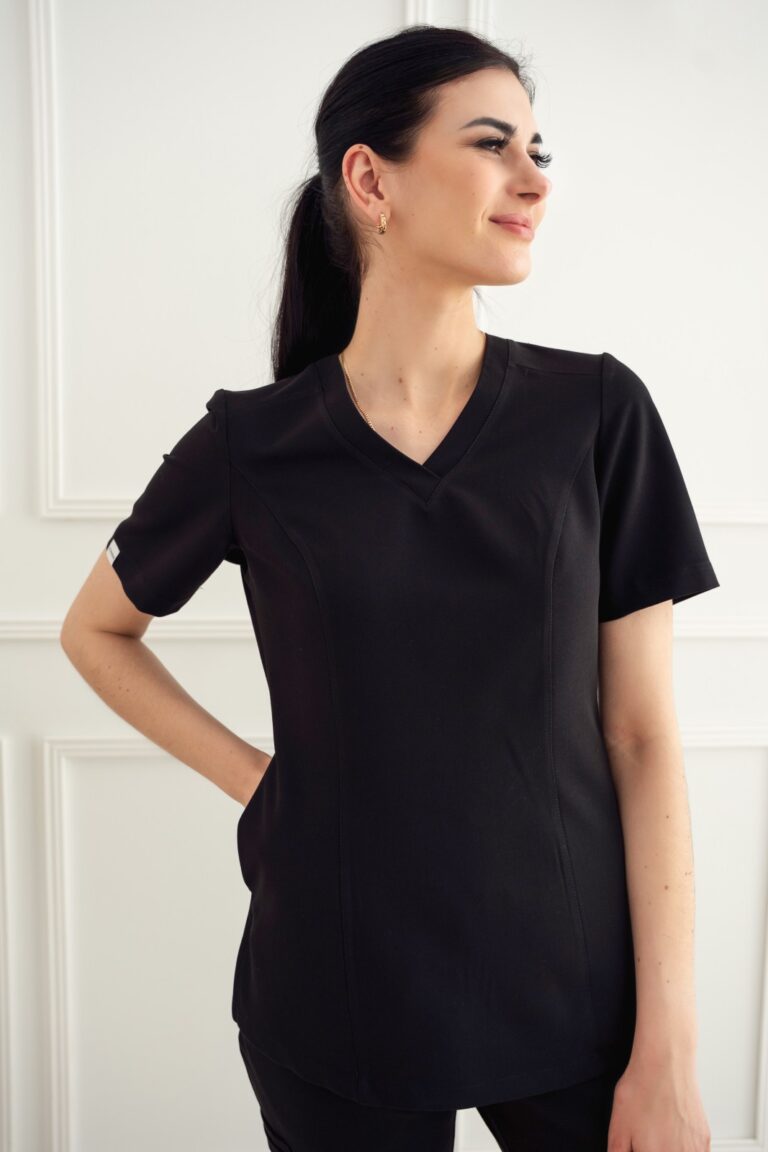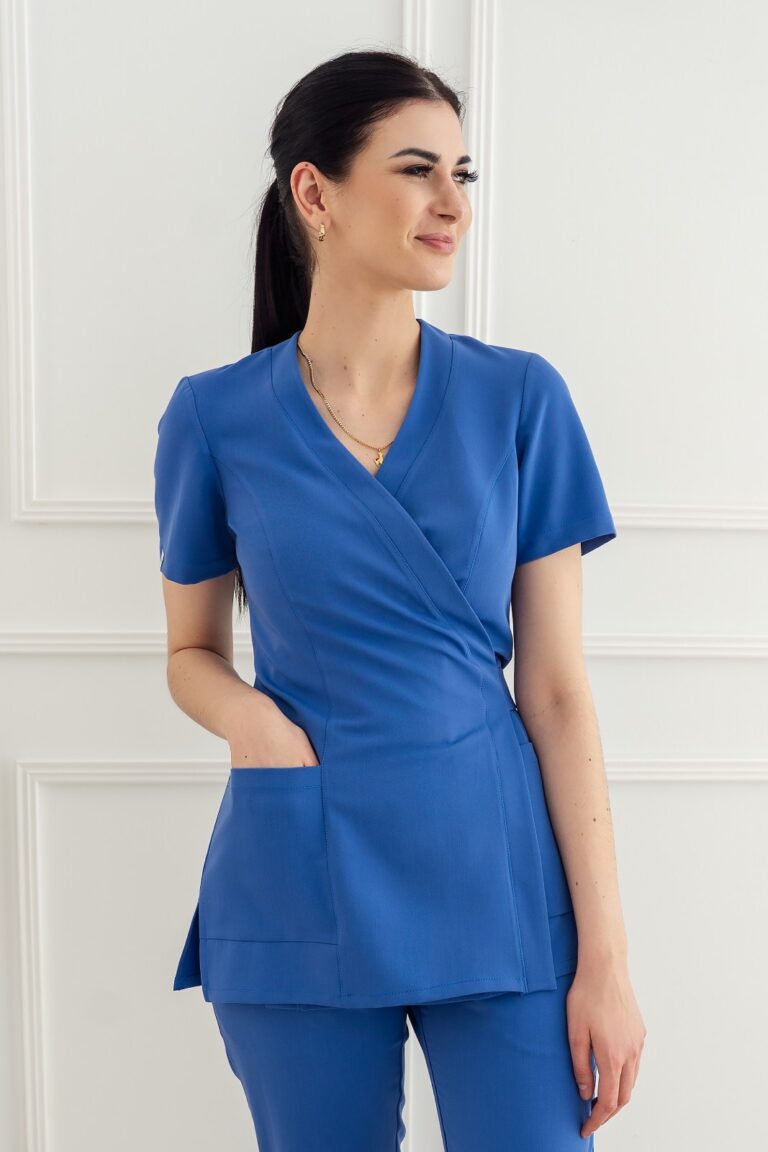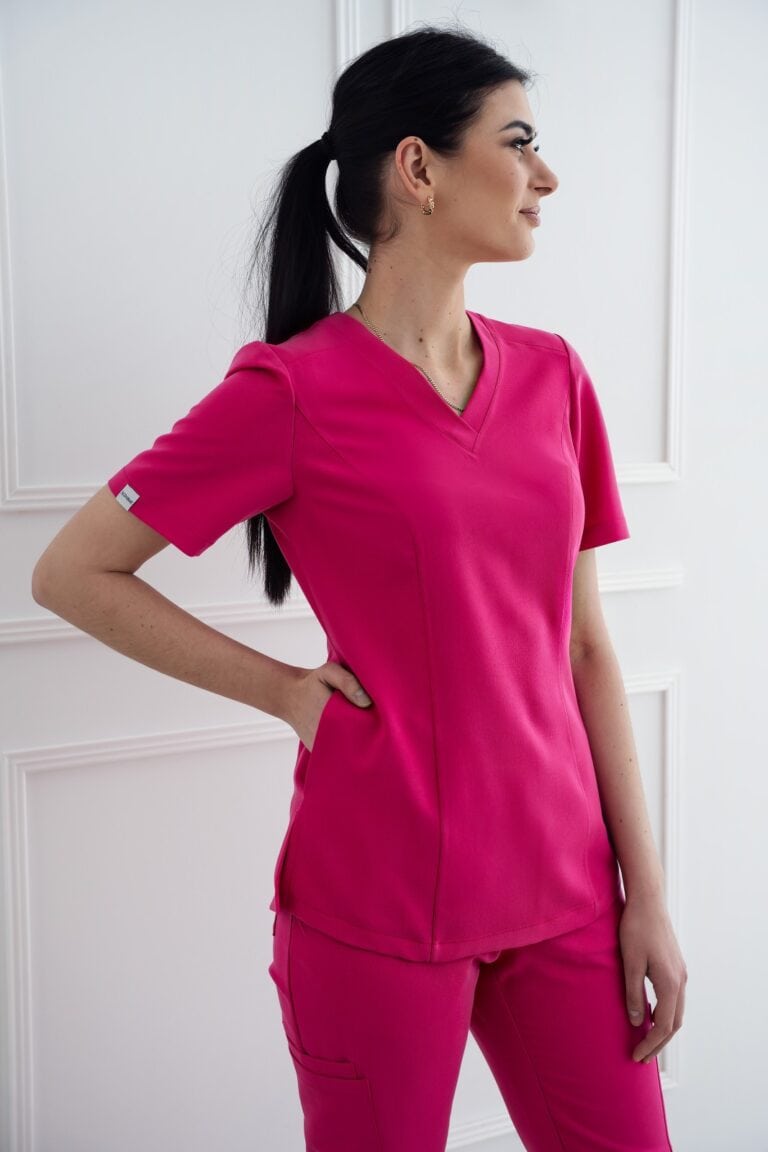

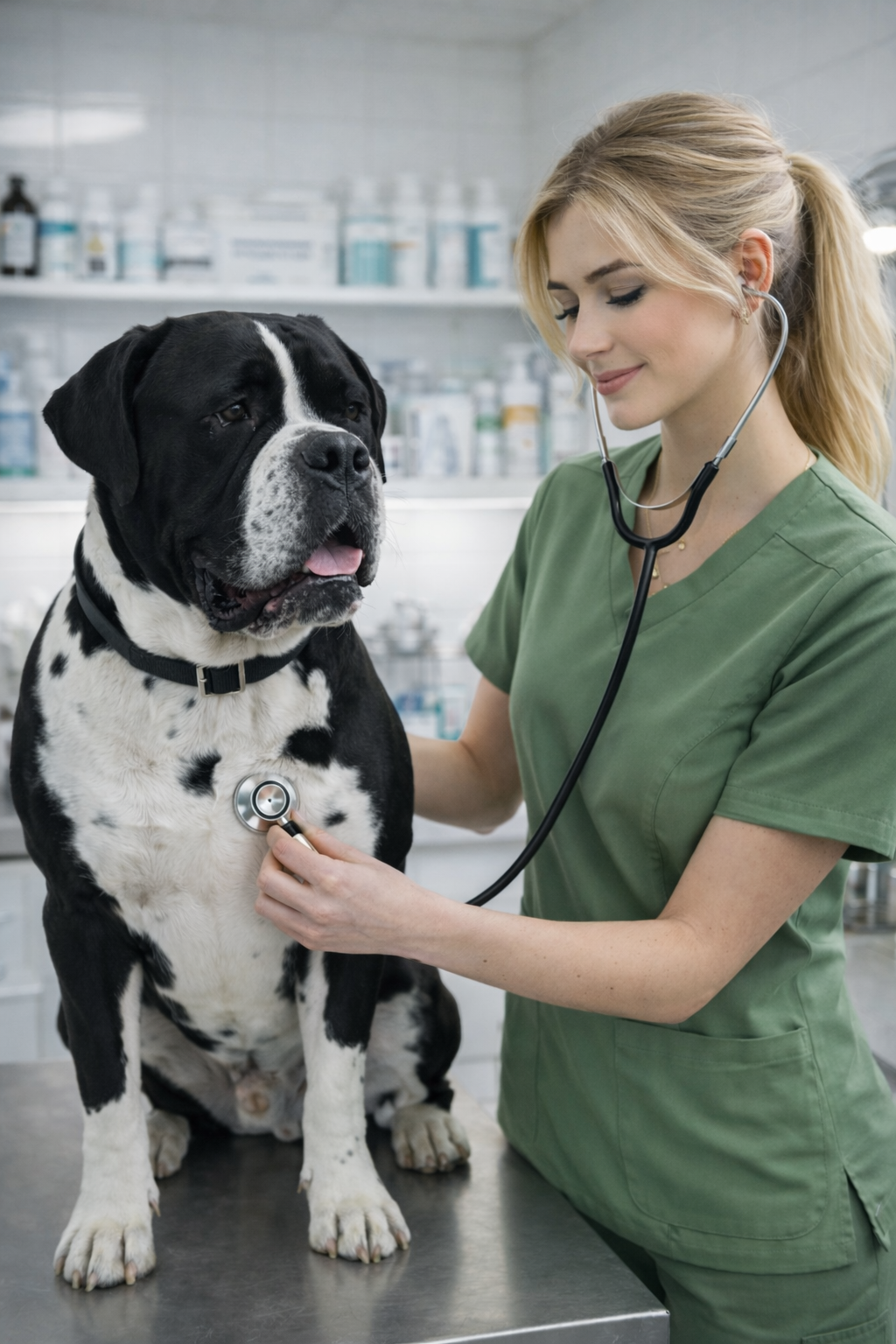
The veterinary profession is one of the most demanding, yet most rewarding career paths in the medical field. It is a unique combination of clinical knowledge, empathy, extraordinary mental toughness and a willingness to continuously develop. The path to the moment when a young doctor first puts on a professional medical scrubs in his own practice, is long, bumpy and challenging.
In this compendium, we take an in-depth look at what vet training looks like in Poland, what competences are essential in the job market and the role of a properly selected medical clothing. You will also learn why modern ladies' scrubs is more than just clothing in this industry.
Who is the modern veterinarian?
Contrary to the old stereotypes, the modern veterinarian is not just concerned with treating dogs and cats. He or she is a high-level animal medicine specialist whose field of activity is extremely wide:
- Small animal clinics: working with companion patients (dogs, cats, rodents).
- Large animal clinics: care of horses and livestock.
- Veterinary Inspection: taking care of the country's epizootic security.
- Laboratories and pharmacy: diagnostic research and the development of new drugs.
- Food safety: quality control of animal products.
Modern veterinary medicine is an era of specialisation. Doctors - as in human medicine - are choosing narrow paths, becoming prominent surgeons, cardiologists or dermatologists. Each of these roles requires not only knowledge but also specific equipment, including a robust clothing for medics.
Studying veterinary medicine - a foundation that toughens up
In Poland, the veterinary medicine major lasts 11 semesters (5.5 years). It is an intensive, single master's degree programme. In order to be successful, the candidate must demonstrate excellent results in biology and chemistry already at the recruitment stage - the credit thresholds are often on a par with those of medical faculties.
Study programme: from theory to first operation
The first years are a clash with a huge amount of theory: comparative anatomy, histology, biochemistry and physiology. This is the time when students first enter dissecting rooms and laboratories. This is when they first need medical scrubs. At this stage, the garment has a protective function against reagents and biological fluids.
In the second half of the course, the emphasis is on clinical subjects: surgery, internal medicine, reproduction or diagnostic imaging. The veterinary student has to learn not only how to treat, but how to safely approach a patient who cannot tell what hurts and, when stressed, may react with aggression.
Internships and assistantships - when theory meets „patient”
Compulsory work placements are a moment of dream verification. Many students start working as a veterinary assistant as early as the 3rd or 4th year. This is the school of life: night duty, traffic emergencies with animals, difficult conversations with owners.
In this dynamic environment ladies' scrubs or male become a „second skin”. Why? Because the vet works in constant motion - from examining on the floor (large dogs), to precise table surgery, to assisting with livestock births. Clothing must be flexible and not restrict movement at critical moments.
Technical challenges: why does a vet need special scrubs?
Working with animals places demands on clothing that „human” practitioners rarely have to think about. When choosing medical scrubs to the veterinary practice, there are three key factors to consider:
1. the „claw test” and resistance to dander
Animal hair tends to get caught in the weaves of fabrics. Classic cotton acts as a magnet for dog and cat hair. This is why modern medical clothing Scrabme uses a dense weave with added polyester and elastane. Such a fabric is slippery, allowing it to be easily „shaken” out of the fur with one hand movement. In addition, the fabric must be resistant to clawing - the vet often has to hold the patient firmly.
Resistance to biological soiling and frequent washing
Blood, urine, saliva, medication - it's a daily occurrence. Medical scrubs have to withstand washing at high temperatures and frequent disinfection. Scrabme technical fabrics retain their fibre structure and colour intensity even after hundreds of machine cycles, making them an investment for years rather than one term.
3. Ergonomics and „safe pockets”
The veterinary surgeon must have a stethoscope, thermometer, tweezers and telephone at hand. Pockets in scrubs must be reinforced and strategically placed so that their contents do not fall out when leaning over a patient on a low table.
The psychology of colour in the veterinary practice
Did you know that choosing the colour of your medical clothing can affect the patient? Dogs and cats see colours differently to humans (mainly shades of yellow and blue).
- Blue and navy blue: They are the colours of trust. For dogs, blue is clearly visible and often has a calming effect.
- Green and sage: They mask stains brilliantly and are associated with nature.
- Pastel colours: In recent years ladies' scrubs in powder pink or lavender dominate small animal clinics, warming up the image of the practice in the eyes of pet owners (carers).
Women in veterinary medicine - a revolution in cutting
Veterinary medicine in Poland today is a highly feminised profession. The majority of students and practising doctors are women. This has forced a move away from shapeless unisex uniforms. The modern female veterinary surgeon wants to feel professional but also feminine.
Modern ladies' scrubs Scrabme are slim-fitting, have an adjustable waist and are tailored to the female figure. This allows you to maintain a neat appearance even after 10 hours of intense on-call duty, which translates into greater confidence and a better image for the clinic.
The road to specialisation - the learning that never ends
Obtaining a diploma is only the beginning. After graduation, the doctor can undertake a 3-year specialisation course (e.g. dog and cat diseases, veterinary surgery). This requires hundreds of hours spent at training courses and conferences. A professional image at such events is also built through dress. Aesthetic medical uniform with embroidery (name and specialisation) is a signal to those around him that he is dealing with an expert.
Ethics and empathy - the heart of the profession
The vet treats the animal, but communicates with the czł person. He often has to play the role of psychologist, mediator and counsellor. Professional attire helps to maintain a professional distance in difficult moments (e.g. euthanasia), while at the same time creating a sense of security in the owner, who entrusts the doctor with the life of his friend.
Bottom line - professionalism begins with the details
The road to becoming a veterinary surgeon is a marathon, not a sprint. From the high thresholds of university, to the gruelling anatomy exams, to the first independent diagnoses. Each stage of this journey shapes character.
When the young doctor stands in front of the mirror in his first, perfectly tailored medical scrubs, he feels pride. It is the moment when a passion becomes a profession. W Scrabme.com we know that your scrubs is more than just a garment - it is your uniform, your armour and your business card. By choosing clothing designed with the realities of working with animals in mind, you are investing in your comfort, your health and the image of a professional you can trust.