
In our daily running, we rarely think about our feet - until they start to hurt. And it is they that bear the weight of the entire body, cushion every step and are the foundation of our mobility. In podiatry, it is often said that the condition of the feet is a silent barometer of the health of the entire body. Skin changes, nail deformities or chronic pain are very often a warning signal that is not worth ignoring.
Podiatry is one of the fastest growing healthcare fields today, combining medical knowledge, biomechanics and precision manual work. It is also a profession requiring great concentration, responsibility and physical work in a forced position. Therefore, concern for the health of the patient's feet goes hand in hand with concern for the ergonomics and comfort of the specialist himself. This is where a subject that is often overlooked begins - the role played by the professional's medical clothing in the daily work of the podiatrist.
Podiatry is more than just care
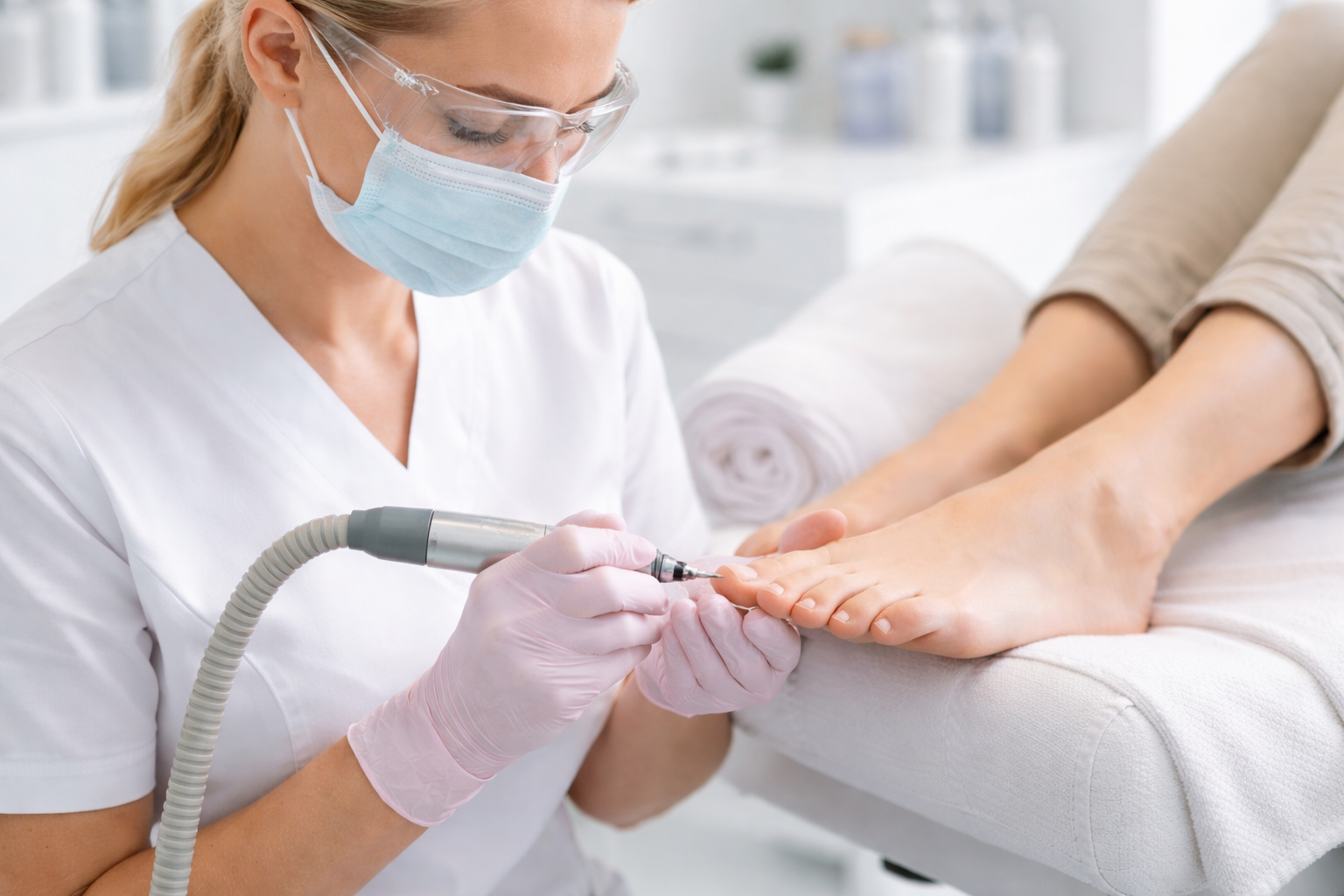
Many patients still confuse the podiatrist with the pedicure beautician. Meanwhile, podiatry deals with the diagnosis and therapy of foot conditions such as ingrown toenails, calluses, corns, cracked heels, ringworm, viral warts or diabetic lesions. It is work on the borderline between healthy and diseased skin, often with a violation of tissue continuity.
In a podiatry practice, hygiene and safety are not an add-on - they are the absolute foundation. Every procedure requires sterile instruments, proper disinfection procedures and an environment that minimises the risk of infection. Equally important is the professional's attire, which acts as a protective barrier for both the patient and the podiatrist himself.
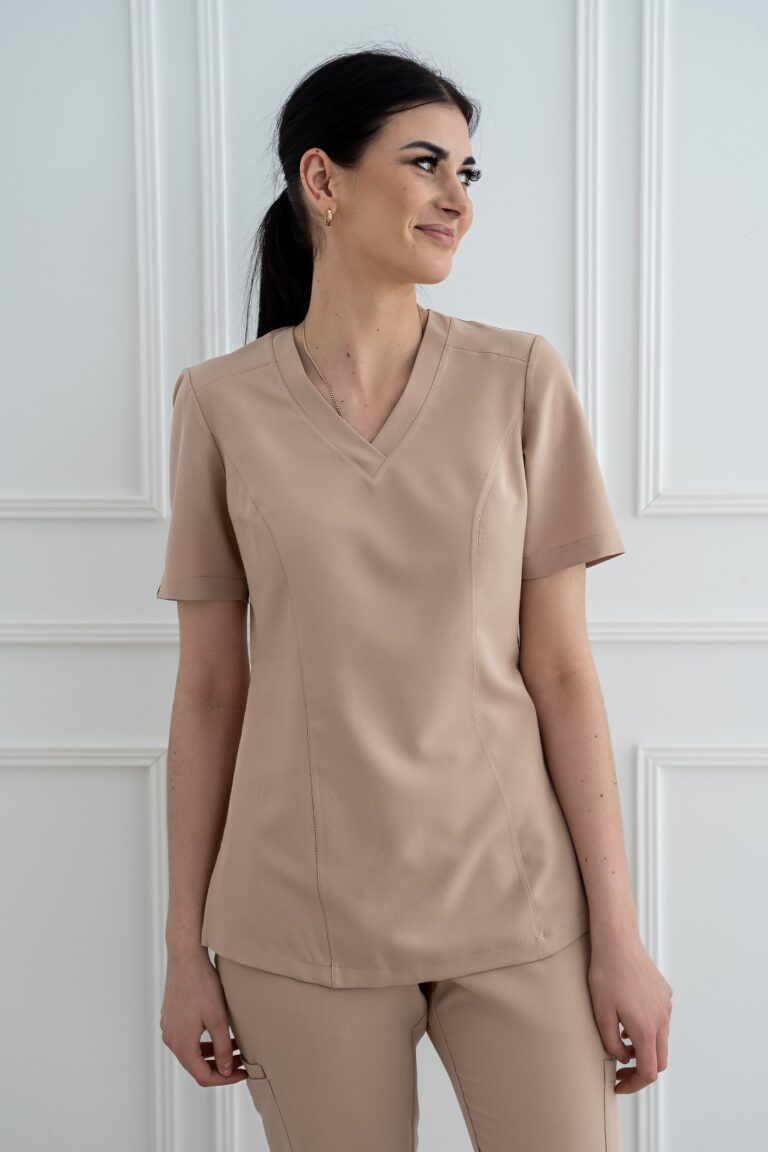
Professional medical tunic whether well designed medical trousers is not a question of aesthetics. It is a piece of office equipment, just like a chair or an autoclave.
The most common foot problems - and what you can do before you go to the surgery
One of the most common problems with which patients visit the podiatrist is ingrown toenails. Contrary to appearances, these are rarely due solely to „genetics”. Cutting the nails too short, rounding the sides, wearing tight shoes or improperly loading the foot lead to chronic inflammation. Early action and proper care can prevent the need for surgical intervention.
Equally common are calluses and corns, which are often treated as an aesthetic problem. In reality, they are the result of overload and disturbed gait biomechanics. Removing them at home, using sharp instruments or keratolytic preparations, can lead to wounds and infections. The podiatrist looks at the foot holistically - analysing the alignment of the limb, the way of walking and the pressure exerted on particular points.
From a specialist's perspective, this is working for hours in an inclined position, requiring precision comparable to that of a surgeon. That is why ergonomic medical clothing, The quality of the treatment is really influenced by the fact that it does not restrict movement and allows the skin to breathe.
Why the specialist's hygiene starts with the clothes
When a patient places their feet in the hands of a podiatrist, they place a great deal of trust in him or her. Often these are people with diabetes, autoimmune diseases or reduced immunity. In such cases, even a minor infection can have serious consequences.
Work attire cannot be casual. Medical tunic worn exclusively in the practice and washed regularly at appropriate temperatures, reduces the transmission of microorganisms from outside. Materials used in professional medical clothing are designed so that they do not absorb moisture, dry quickly and can withstand frequent washing.
In practice, this means greater safety in treatments, but also greater comfort. A podiatrist who spends 8-10 hours a day in one position needs garments that „work” with the body. Flexible medical trousers, well-tailored medical tunic and breathable fabric reduce feelings of fatigue, overheating and muscle tension.
The patient's feet and the podiatrist's attitude
Few people realise that podiatry practices are very often visited by... specialists themselves. Lumbar back pain, neck stiffness, knee and hip strains are a daily occupation. Working with feet requires bending over, twisting the torso and keeping the hands in one position for long periods of time.
This is why more and more experts are saying it straight: the health of the patient starts with the health of the therapist. Proper work shoes, an ergonomic chair and a professional medical clothing form an interconnected system of vessels. If one element fails, the whole organism suffers.
Well designed medical tunic does not compress at the shoulders or waist, does not roll up when bending over and does not cause overheating. Medical trousers with an elasticated waistband and tailored fit allow you to change positions freely without feeling uncomfortable. These are details that make a huge difference after a few hours of work.
Patient education is part of therapy
A good podiatrist does not stop work the moment the patient leaves the practice. A huge part of therapy is education: how to cut nails, how to choose footwear, when to react to skin changes. A patient who understands their body is less likely to return with complications.
The image of the professional is of paramount importance here. A consistent, professional appearance builds authority and trust. Patients are much more likely to follow the recommendations of someone who looks like an expert - well-groomed, clean, dressed in a professional uniform rather than casual attire.
There is a reason why the best surgeries invest in high quality medical clothing. It is an element of non-verbal communication that says: „I'm prepared, I know what I'm doing, you can trust me”.
Podiatry, comfort and a modern approach to work
Modern medicine is increasingly moving away from thinking in terms of sacrifice at all costs. Specialist comfort is no longer a luxury - it is becoming a standard. This applies to doctors, nurses and podiatrists alike.
Modern medical clothing combines functionality, aesthetics and technology. The materials are lighter, more flexible and more durable than ever before. This allows the specialist to focus on what matters most - the patient's health - instead of struggling with an uncomfortable outfit.
Summary: Healthy feet start with professionalism
Podiatry is a field where there is no room for compromise. Every detail matters - from the sterility of the instruments, to the knowledge and experience, to the attire in which the specialist works. For the patient, these are often invisible elements, but they are the ones that determine the safety and effectiveness of the treatment.
If you are a podiatrist, remember that by taking care of your own comfort and ergonomics, you are also taking care of your patients. And if you are a patient - pay attention to the details. A professional practice is one where quality can be seen not only in the results of treatments, but also in the approach to work and standards that start with... the clothes.