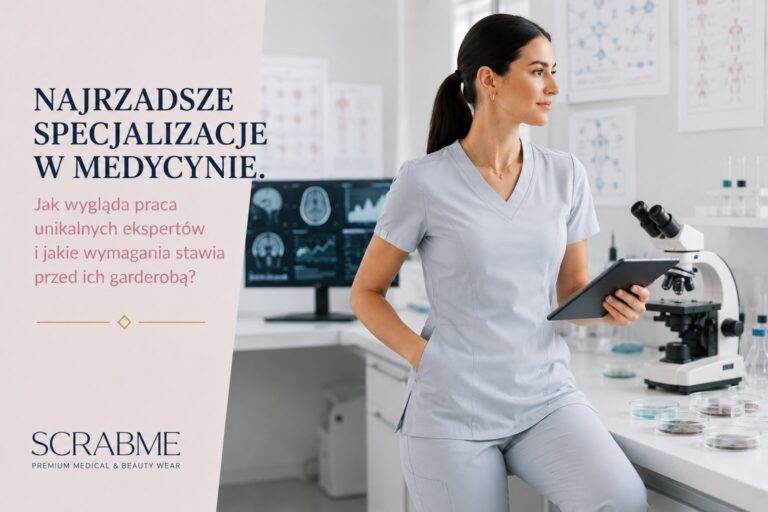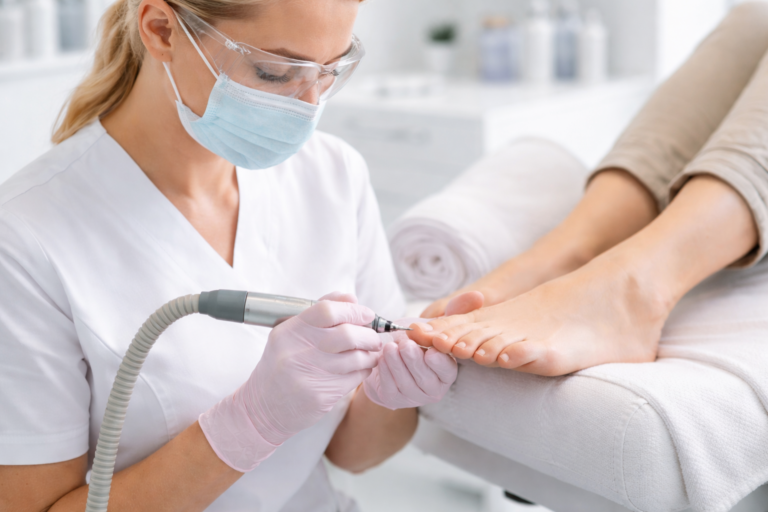

The modern job market in healthcare, aesthetic medicine, cosmetology, and dentistry places extremely high demands on women. Daily life in these industries is a unique blend of advanced expert knowledge, empathy, stress resilience, and constant physical activity. In this dynamic environment, every element of the surroundings matters, and the closest to a specialist's body is their professional attire. medical clothing. For many decades, the workwear of medical staff was associated exclusively with shapeless, stiff gowns in a cool shade of white, which restricted movement and increased the distance in the patient relationship. Today, the approach to designing professional clothing has been completely revolutionised. The modern wardrobe of a female professional is based on products that harmoniously combine innovative textile technology with elegant, feminine design. When choosing work attire, contemporary female doctors, beauticians, and physiotherapists no longer want to choose between impeccable aesthetics and all-day comfort.
In industries built on trust, your image is one of the most important pillars of professional success. How you look upon your first contact with a patient or client subconsciously communicates your professionalism, precision, and attention to the highest standards of hygiene and safety. However, a perfect external appearance cannot contradict your body's biomechanics. Long shifts, complex treatment procedures, and working in static or extremely dynamic positions require clothing that becomes a second skin. The best workwear actively supports thermoregulation, adapts to every movement, and is simultaneously extremely resistant to harsh cleaning and disinfection conditions. Discovering the ideal balance between functionality and premium design is a journey that redefines daily professional experiences, boosting the confidence of every woman fulfilling her mission in the beauty and medical sectors.
How does modern medical clothing redefine the concept of professional image?
The traditional approach to workwear in medical facilities relied almost exclusively on its protective function. The clothing was intended to act as a barrier against dirt and biological agents, with its aesthetics taking a back seat. Today, research in business psychology and sociology unequivocally indicates that the attire of medical and aesthetic personnel serves a much broader role. It directly influences the microclimate in the consulting room, builds the specialist's authority, and reduces patients' anxiety levels. A modern cut, excellent fit, and a carefully selected colour palette make the patient feel safer, while the specialist herself experiences greater satisfaction and confidence while performing her duties.
Designing with women in mind requires a deep understanding of the diversity of female body shapes and the specifics of movements performed in various professions. A doctor spending hours on palpation, a dentist working in a constant stoop over the surgical field, or a cosmetologist performing precise aesthetic procedures – each of them requires different structural support. The old, unisex workwear, which ignored the anatomy of the female body, is becoming a thing of the past. It is giving way to cuts that subtly accentuate the waist, ensure appropriate width in the shoulders and hips, and at the same time do not cling to the body in a vulgar or freedom-limiting way.
This evolution has led to the emergence of the concept of next-generation medical apparel. It's a segment where designers draw inspiration from everyday fashion trends and sportswear technology. As a result, workwear gains a modern character, allowing individuals to maintain their personal style even in the rigorous realities of hospital or clinical settings. Flexible finishes, soft neckline lines, ergonomically placed stitching, and contemporary accents make this attire a source of pride, rather than an unpleasant obligation.
The anatomy of the perfect fit: How does ergonomics affect the well-being of a female specialist?
Ergonomics in the work of medical staff is a topic that is directly related to long-term health. Working in a forced position for many hours a day generates enormous strain on the musculoskeletal system. If at the same time you wear clothing that resists every arm raise, digs painfully into your armpits, or restricts hip mobility when sitting on an adjustable stool, your body begins to compensate for these deficiencies with unnatural tension. This results in chronic back pain, migraines, and premature fatigue, which reduces work efficiency and concentration.
Perfectly constructed medical uniform it solves these problems at their root, based on advanced biomechanics. The key element is the construction of the sleeves and the shoulder blade areas. Professional designs use special darts and gussets that allow free lifting of the upper limbs without simultaneously pulling the entire bottom edge of the garment. This means that when working on a patient, the stomach and loins always remain fully covered, which guarantees complete peace of mind and protects sensitive areas of the body from chills.
Another aspect is the fit of the lower garments. Trousers must have a flexible but non-constricting waistband that keeps the clothing securely on the hips, whether you are standing, squatting, or working on your knees. A well-shaped rise and a considered leg width are parameters that determine whether, after a long, busy shift, your body will be free from painful pressure marks and chafing. Ergonomics is an invisible ally that allows you to forget about the clothes you are wearing and focus 100% on the precision of the medical procedures being performed.
Next-generation fabrics: Why viscose and elastane are game-changers
The secret to the uniqueness that distinguishes modern medical scrubs, ..., lies primarily in advanced materials engineering. For years, the standard was pure cotton or its simple, stiff blends with traditional polyester. These fabrics, although cheap to produce, had a number of drawbacks: they were prone to creasing, rough on the skin, inelastic, and after a few washes lost their original shape and colour. Modern professionals expect materials that can meet the challenges of a dynamic workday, while maintaining silky softness and an immaculate appearance.
The introduction of a composition of noble viscose medical fabrics and high-quality elastane has revolutionised the comfort of wearing workwear. Viscose, a fibre produced from natural plant-based raw materials, brings properties to clothing that were previously unattainable in the occupational health and safety sector:
- Outstanding breathability Viscose is highly breathable, allowing your skin to breathe freely and effectively preventing your body from overheating in stuffy treatment rooms.
- Top-level hygroscopicity: This fibre absorbs moisture significantly better than pure cotton, quickly wicking it away from the body's surface and leaving a dry feeling.
- Silky grip and softness: The material is extremely pleasant to the skin, flows smoothly over the figure, and minimises the risk of painful irritation in areas prone to friction.
In turn, the addition of elastane (or original Lycra fibre) gives the fabric unique multi-directional stretch. This allows the material to gain so-called shape memory – it stretches dynamically with muscle movement and immediately regains its original structure upon returning to a neutral position. As a result, clothing does not deform at the elbows or knees, maintaining an elegant and professional style throughout its use. The combination of these fibres with modern, durable polyester guarantees that the garments are extremely long-lasting, easy to iron, and resistant to pilling.
Textile Certifications: Skin Safety in a Demanding Work Environment
Working in hospitals, clinics, or beauty salons involves constant contact with various chemical substances, disinfectants, and potential allergens. In conditions of elevated temperature and stress, the pores of the skin dilate, making it easier for particles released from low-quality materials to penetrate the body. Cheap textiles of unknown origin very often contain toxic dyes, formaldehyde, or heavy metals in their fibres, which, under the influence of sweat, can cause severe allergic reactions, contact dermatitis, and in the long term, may have carcinogenic effects.
That is why, in the premium segment, it is an absolute standard to use only fabrics that have passed rigorous laboratory tests and obtained international safety certificates, such as OEKO-TEX Standard 100. For specialists, the presence of such a label guarantees that every component of the garment – from the main yarn, through the threads, right down to the zips, press studs and labels – has been tested for the presence of over three hundred harmful chemicals. It is a product that is completely safe for health, hypoallergenic and gentle even on the most sensitive or atopic-prone skin.
Dermatological safety goes hand-in-hand with microbiological protection. High-quality materials are densely woven, making it difficult for contaminants to penetrate deep into the fibre structure. This facilitates subsequent cleaning and makes the washing process more effective, leaving the uniform perfectly clean and free from dangerous pathogens. By choosing certified clothing, you take care of your health holistically, eliminating hidden chemical hazards from your daily work environment.
How to choose the perfect medical clothing style to suit your specialisation
Choosing the right cut of workwear shouldn't be a matter of chance. Each professional specialisation in the health and beauty sector is characterised by a different work dynamic and specific technical requirements. What works perfectly in a quiet aesthetic medicine practice may prove impractical during an intense nursing shift or during dynamic physiotherapy sessions on a mat. A thoughtful choice of style allows you to optimise your daily activities and highlight the specifics of your expert profile.
For female doctors and dentists who spend most of their time sitting or standing by a patient, an impeccable, elegant appearance combined with flexibility in the chest and back area is crucial. Classic, tailored styles with geometric V-necklines are ideal for these professions, as they optically lengthen the neck and appear extremely formal. Length is also important – optimal medical blouse should end at hip height, which guarantees complete body masking and preserves the proportions of the figure, regardless of hand position when operating treatment tools.
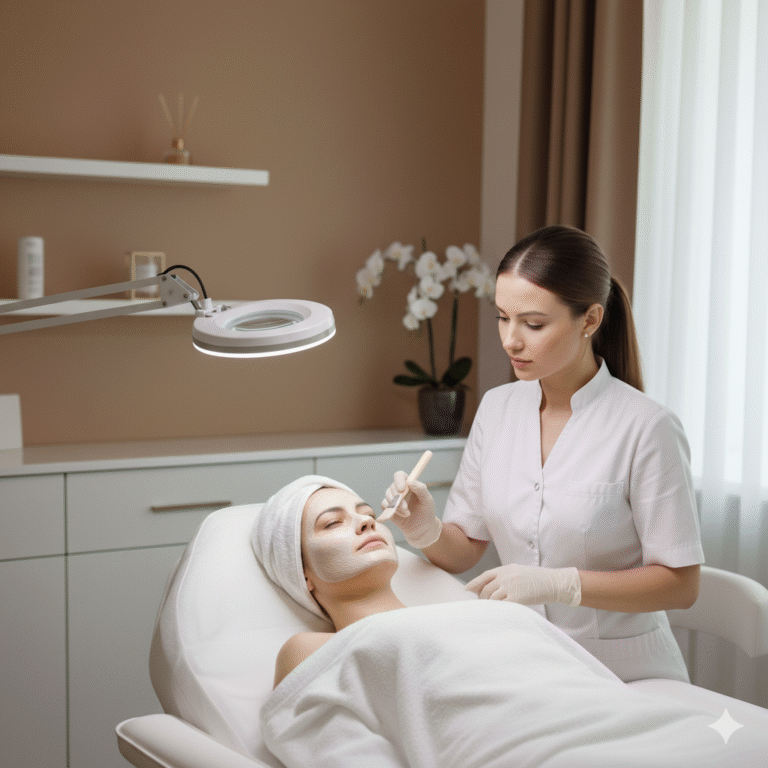
In the beauty, cosmetology, and spa industry, where aesthetics and the luxurious nature of services are a key element of brand marketing strategy, long medical tunics are enormously popular. This type of attire brilliantly shapes the female silhouette, giving it a subtle, almost evening-wear flair, while retaining all the properties of protective clothing. In contrast, for physiotherapists, veterinary doctors, or paediatricians, the paramount criterion becomes maximum mobility and the absence of elements that could snag on medical equipment or frighten a young patient. Here, sporty cuts with elasticated cuffs, which stabilise the clothing under all conditions, become the natural choice.
Functional details: Pockets, drawstrings, and necklines that make everyday tasks easier
The scale of a fashion project is very often apparent in the details that are invisible to the layman, but which, for someone using the product for twelve hours without a break, determine its genius or complete uselessness. In medical and cosmetic work, there is no time for constantly readjusting falling-down trousers, searching for a lost pen, or battling with an irritating label. Every stitch, every pocket, and every finished edge must serve a specific, practical function.
The architecture and placement of pockets are among the most important checks for the quality of workwear. Traditional, loosely sewn-on front pockets often fail – when leaning over a patient, their contents can fall out loosely. In advanced premium designs, deep, set-in side pockets are used, integrated into the lines of the anatomical seams. This solution ensures that items such as phones, ID cards, or notebooks are held stably and close to the body's centre of gravity, without generating bothersome swaying when quickly walking down a hospital corridor.
Other technical details worth considering when putting together the perfect professional wardrobe are:
- Double stitching and reinforced seams Areas prone to particular strain (around pockets, the crotch, armpits) must be reinforced with special stitching, preventing the material from tearing under sudden movement.
- Non-binding cuffs on joggers Elasticated cuffs at the bottom of the legs prevent the material from coming into contact with the ground, ensure hygiene, and allow for adjustment of the trousers' height on the leg.
- Soft finish of the sweatband around the neck: A special tape sewn into the collar area absorbs moisture and prevents uncomfortable chafing of the skin by seams.
- Side slits (vents) at the hem of the sweatshirt: They increase the circumference of the garment at the hips when sitting, eliminating the problem of the material cinching and bunching around the stomach.
Colour psychology in medicine – how colours affect patients and the image of a practice
The decision on the colour of work uniforms in a modern clinic or aesthetic salon has long ceased to be solely a matter of the owner's or staff's personal aesthetic taste. Colours are a powerful tool of non-verbal communication that directly stimulates the human nervous system, eliciting immediate subconscious reactions. Appropriately chosen clothing tones can lower stressed patients' blood pressure, inspire confidence in a specialist's competence, and also influence the employee's own level of focus and efficiency.
Classic navy and deep blue have been colours recognised for years as the bedrock of professionalism in the world of academic medicine. Blue subconsciously associates with knowledge, calm, composure, and high personal culture. It has a calming effect, reduces anxiety about medical procedures, and is an ideal choice for female doctors, surgeons, and managers of medical facilities. In contrast, modern steel grey (e.g., Silver Grey) brings an aura of innovation, technological advancement, and absolute precision to the practice, which works wonderfully with the image of laser medicine clinics, digital dentistry, or advanced diagnostics.
In industries focused on relaxation, biological regeneration, and intimacy, such as cosmetology, urogynaecological physiotherapy, or wellness areas, earth tones and pastels work excellently. Warm shades of beige (e.g., Cappuccino) and delicate, muted greens create a cosy, stress-free atmosphere, reducing distance and creating a space full of homely security. In turn, light, pastel pink (Sweet Pink) is an invaluable tool when working with children and in gynaecological practices – it evokes associations with empathy, gentleness, and caring, which effectively breaks down the patient's natural defences and reduces the white coat syndrome.
Extreme durability: Washing, disinfection and care of clothing
No other everyday wardrobe is subjected to such destructive maintenance processes as clothing used in the healthcare and beauty sectors. Contact with blood, bodily fluids, massage oils, cosmetic acids, or aggressive pigments from treatment products means that clothes require thorough cleaning after each working day. Additionally, strict sanitary and epidemiological regulations impose the necessity of washing at elevated temperatures and using strong detergents with bactericidal and virucidal properties.
In such harsh operating conditions, cheap clothes made from low-quality materials degrade rapidly. After just a few weeks, they become stretched, the seams begin to rotate unsightly around the silhouette, and the colours fade, giving the whole outfit a worn, unprofessional appearance. Premium medical clothing is made using advanced thermal stabilisation processes for the fibres. This makes the material exceptionally resistant to shrinking and linear deformation, retaining its original, impeccable cut through hundreds of cycles in automatic washing machines.
Modern technology also makes everyday clothing care easier outside of work hours. In a dynamic professional life, time spent at the ironing board is a drain on valuable energy. The use of modern polyester-viscose blends with non-iron technology means that after taking clothes out of the washing machine drum and giving them a good shake, they simply need to be dried on a classic hanger. The fabric's structure smooths itself out under the influence of gravity, eliminating the need for tiresome ironing with a hot iron and ensuring that your uniform will be perfectly smooth and ready to wear just moments before you leave for your morning shift.
Best value for money: Why Polish-made medical clothing is a worthwhile investment
In the era of globalisation and mass imports of textiles from Asian countries, conscious consumers are increasingly seeking products that carry real artisanal and ethical value. The slogan „best price for quality” in the context of workwear does not mean choosing the cheapest product on the market, but rather one whose purchase cost is spread over years of trouble-free, satisfactory use. This profile fits perfectly with Polish medical clothing, made in local sewing workshops with the highest standards of workmanship.
Choosing a brand that handles the entire design and manufacturing process in Poland brings a range of tangible business and image benefits:
- Rigorous quality control at every stage: From the moment the fabric is cut, through precise stitch guidance, to the final finishing of details and packaging – the Polish manufacturer of medical clothing controls every step, eliminating the risk of factory defects.
- Fit for European anthropometry: The patterns for our garments are based on the actual measurements and anatomical build of European women, which ensures that the clothes fit the figure far better than mass-produced Asian patterns.
- Ethical supply chain You can be sure that your clothes are produced in decent working conditions, with respect for workers' rights and with sustainable environmental processes.
- Express logistics and customer support The absence of intermediaries and the geographical proximity of production allow for lightning-fast order fulfilment, easy exchanges of sizes, and hassle-free reordering of clothes for new employees to maintain team image consistency.
Investing in premium Polish products is a strategic decision. Although the initial price may be higher than for mass-produced PPE clothing from high street chains, the lifespan of a single set of Polish-made clothing is several times longer. Instead of buying new clothes every three months due to fading colour or ripped seams, you invest once in a professional product that looks as good after years of wear as it did the first time you put it on. This represents real financial savings and a demonstration of respect for the natural environment through the reduction of textile overconsumption.
How to create the perfect women's medical set? A guide to premium styling
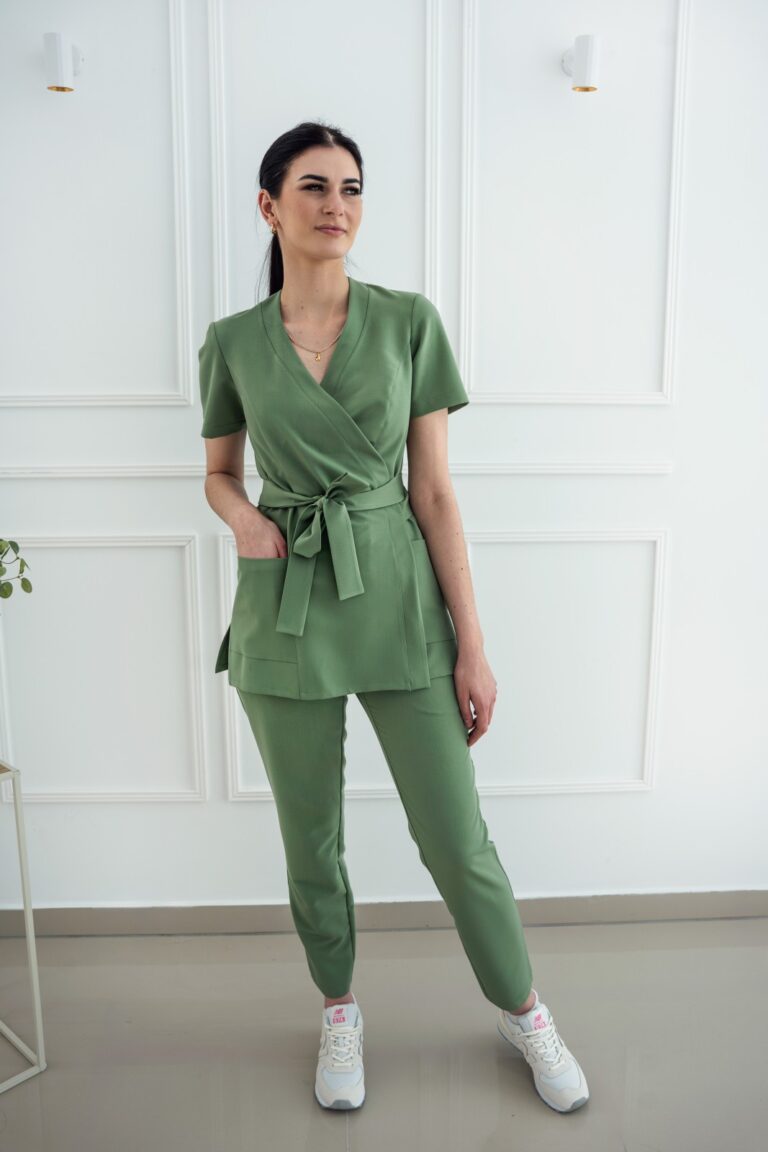
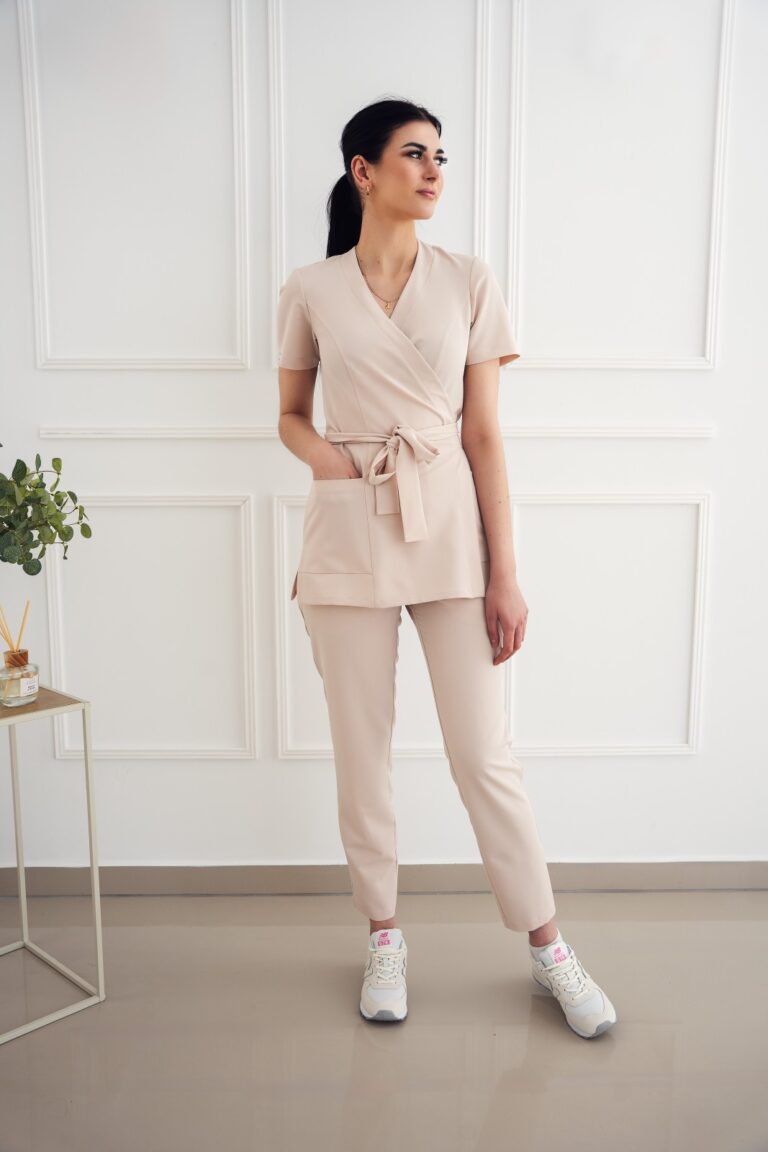
Building a professional work wardrobe for an office setting should be based on the principles of a capsule wardrobe. This means choosing items that can be mixed and matched freely, creating diverse outfits while maintaining complete stylistic and colour coherence. The ideal Women's medical set it should consist of a perfectly matched upper base and a functional bottom, which together create a harmonious silhouette with a luxurious character.
The top part of the set can be a classic, shorter sweatshirt with modern, ergonomic front pockets or an elegant, elongated medical tunic with a belt to accentuate the waist. The choice depends on your preferences and the nature of the treatments performed. Regarding the lower part of the outfit, the modern market offers two key solutions that brilliantly meet diverse needs:
- Modern medical joggers This is an absolute market hit, cleverly adapting a sporty design for the realities of medical work. Equipped with a wide, elastic waistband with a drawstring for adjustment and elasticated leg cuffs at the bottom, they ensure unparalleled freedom of movement. The legs never fall over your shoes, don't get dirty, and perfectly showcase modern medical footwear. This is the ideal choice for dynamic women who favour an urban, casual style.
- Classic straight-leg medical trousers (Classic fit): This is a proposal dedicated to lovers of traditional elegance and medical formalism. Simple, impeccably tailored legs optically lengthen the silhouette, giving it slimness and gravitas. They pair excellently with classic medical clogs and elegant tunics, creating an image based on tradition and the highest prestige.
By choosing ready-made sets from one manufacturer, you gain the assurance that the shade of dye for blouses and trousers is identical, and the material structure complements each other one hundred percent. A monochromatic look in a deep shade of grey, navy or beige looks incredibly modern and exclusive, setting your practice apart from the competition and making getting ready for work a sheer pleasure every morning.
Summary: Your comfort is the foundation of your professional success
The demanding reality of working in the healthcare and beauty sectors leaves no room for compromise. Your body is your most valuable work tool – it allows you to precisely operate treatment instruments, relieve patients' pain, and create beauty in the cosmetic salon. Caring for your own health, maintaining an ergonomic posture, and ensuring daily psychophysical comfort are not luxuries, but fundamental necessities and an element of professional occupational prevention.
Top-class medical clothing This is an investment that pays off every day in the form of no fatigue, complete freedom of movement, and an impeccable, admirable expert image. By choosing clothing that combines noble viscose, multi-directional elastane, and Polish tailoring precision, you express the highest professionalism and respect for yourself and the people who entrust you with their health and beauty.
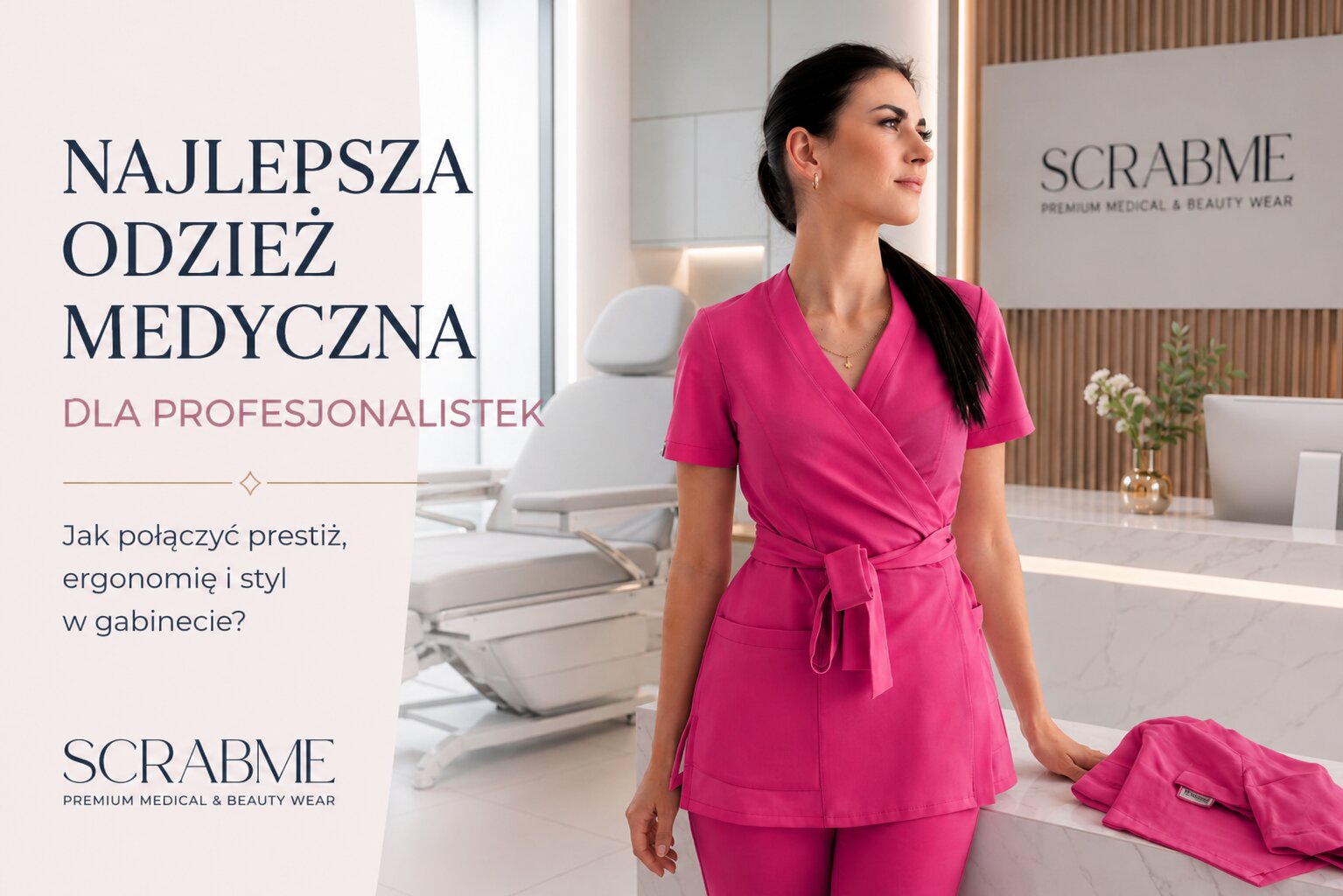
If you're looking for solutions crafted without compromise on quality, designed with the unique needs of the female figure and modern style in mind, discover Scrabme collections. Our original designs, proudly sewn in Poland from certified premium fabrics, are redefining standards for workwear for the most discerning professionals. Opt for a unique combination of ergonomics, durability, and subtle elegance at the best price-quality ratio. Allow yourself the comfort that genuinely supports your passion and allows you to shine in your daily professional practice.
Frequently Asked Questions (FAQ)
1. How does premium medical clothing differ from standard safety clothing available on the market? Premium clothing differs primarily in its advanced material composition and ergonomic approach to cut. Instead of stiff, inelastic cotton or cheap polyester, premium garments utilise modern blends with the addition of fine viscose and elastane (Lycra). This makes the material silky soft, highly breathable, flexible in many directions, and resistant to deformation after washing. Furthermore, premium cuts are tailored and designed with the anatomy of the female body and the specific movements of a clinic in mind.
2. Is medical clothing with added viscose suitable for washing at high temperatures and sterilisation? Yes. The technologically advanced fabrics used by the Scrabme brand undergo thermal stabilisation processes during the yarn production stage. This makes the viscose fibres, combined with durable polyester, exhibit excellent resistance to high temperatures and regular washing cycles with professional disinfecting detergents, without shrinking or losing colour intensity.
3. What style of medical trousers will be most suitable for a physiotherapist and a veterinary surgeon? For professions characterised by very dynamic movement, working in low positions (squatting, kneeling, working on a mat or at low treatment tables), medical joggers are the optimal choice. The elastic, wide waistband with a drawstring keeps the trousers securely on the hips, preventing them from sliding down, and non-compressive cuffs at the bottom of the legs protect the material from rolling up and guarantee full safety and hygiene during work.
4. What does the OEKO-TEX Standard 100 certificate on medical clothing mean? This certificate is an independent, international mark of safety for textile products. It signifies that the entire product (fabric, threads, zips, poppers, dyes) has undergone detailed laboratory testing and is completely free from over three hundred substances harmful to health, such as pesticides, formaldehyde, heavy metals, and carcinogenic azo dyes. This is a guarantee of safety for individuals with sensitive and allergy-prone skin.
Does the non-iron material in premium medical clothing really eliminate the need for ironing? Non-iron technology is based on the natural elasticity of advanced synthetic fibres and viscose, which makes the fabric highly resistant to creasing during wear. To avoid ironing altogether, simply shake out the damp garment vigorously at the end of the wash cycle and dry it upright on a standard hanger – the fibres will smooth out on their own under their own weight.