

When we think of the hospital, the figure of the doctor often comes to the fore. However, anyone who has spent even one day in a hospital knows that the healthcare system has another heart that beats continuously. That heart is the nurse.
The stereotypical image of the „angel in white”, administering medicines and changing dressings, is not only outdated - it is damaging. The modern nurse is a high-level professional, combining advanced medical knowledge, critical thinking, extraordinary mental strength and organisational skills worthy of an operations director.
The role of the nurse in the hospital is the foundation on which patient safety and health is based. In order to fully understand scrabme.com and the mission of our brand, we must first understand who the characters we are creating for are - what they actually do on a daily basis.
Pillar 1: The Nurse as Clinical Expert and Diagnostician
Forget the myth of the „doctor's assistant”. The nurse is the autonomous medical professional who spends the most time with the patient. She is the first line of defence, diagnosis and intervention.
Eyes and Ears of the Therapeutic Team
It is the nurse who first notices subtle changes in a patient's condition - a quiet wheeze in breathing, a slight change in skin colour, a drop of two points in saturation or sudden restlessness in the eyes. In the chaos of a hospital ward, it is she who connects the dots.
Its role is to continually assessment (patient assessment). It monitors vital signs, analyses laboratory results, assesses pain, wound condition and response to medication. This is not passive data collection - it is their active interpretation. She is the first to alert the doctor to a potential deterioration, often saving the patient's life before the problem escalates.
Pharmacological Precision
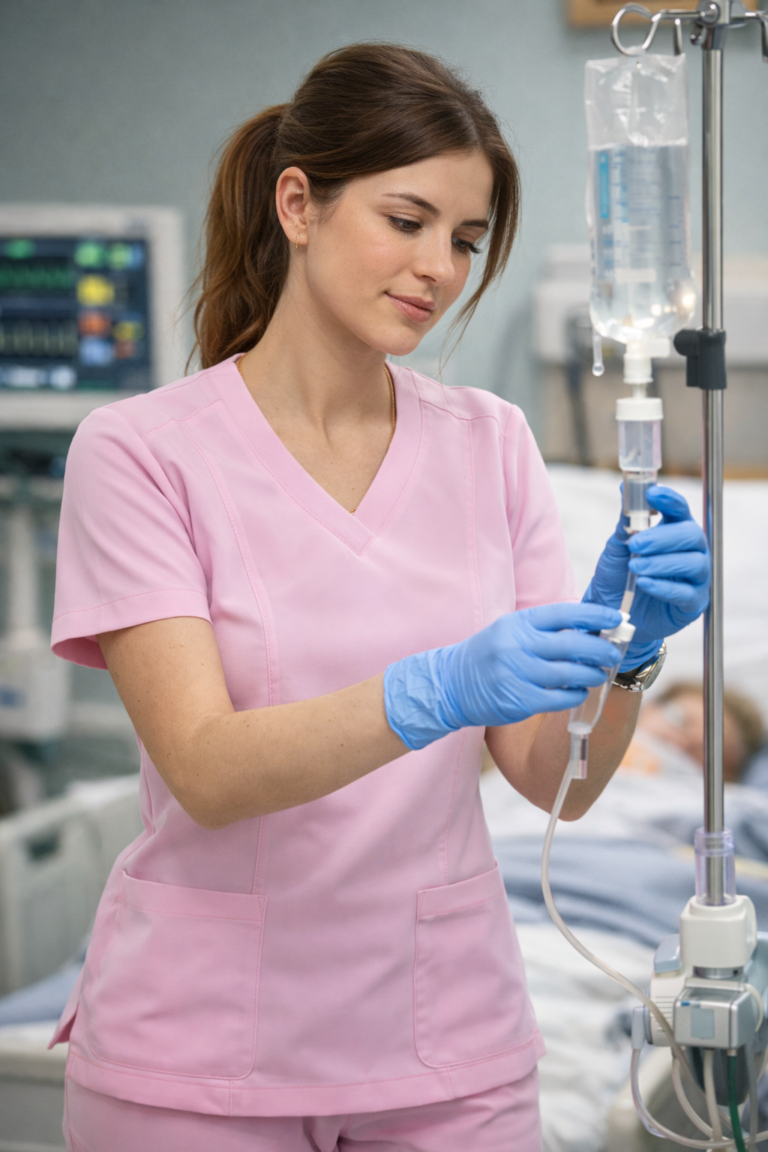
Administering medication is one of the most responsible roles of a nurse. It does not involve mechanically reading an order. The nurse needs to know:
- What is the effect of the drug?
- What are its side effects?
- Can it interact with other medicines the patient is taking?
- Is the dose definitely appropriate for the patient's weight and condition?
She is the final safety buffer that catches potential errors, protecting the patient from dangerous complications.
Pillar 2: The Nurse as Psychologist and Patient Advocate
Technology and medical knowledge are one thing, but treatment is a process that involves the c1TP1Person - scared, suffering, confused. This is where the role of the nurse becomes irreplaceable.
Interpreter and Mediator
The nurse is the key translator of complex medical jargon into understandable language. She is the one who sits at the bedside of the patient and their family, explaining the intricacies of procedures, the goals of treatment and the principles of recovery. When the doctor hurriedly communicates the diagnosis, it is the nurse who is left to answer the wave of questions that follow moments later.
Emotional support
Staying in hospital is a powerful stressor. The nurse is the person who holds the patient's hand before surgery, who brings an extra blanket at night, who can listen and reassure. She is the one who sees the tears, the fear and the frustration. Her empathy and mental strength are as important as her ability to insert a venflon.
Patient Advocate
The nurse is closest to the patient. Often, she is the only one who knows if the patient has specific needs, religious beliefs affecting treatment or if they are afraid of a particular procedure. Her role is to be the patient's advocate within the treatment team, making sure that the patient's voice and dignity are respected at every stage of treatment.
Pillar 3: The Nurse as Manager and Coordinator
A hospital ward is a complex ecosystem. Who makes this system run smoothly 24 hours a day? The nurse.
Ward Operational Brain
The duty nurse manages the work of the entire ward. She coordinates admissions and discharges, delegates tasks to support staff, manages the schedule of examinations and consultations. She needs to know which patients require immediate attention, who can wait and who is ready to leave. This is logistics at the highest level, carried out under the pressure of time and life.
Documentation Master
There is a rule in medicine: „if something is not written down, it has not been done”. Medical documentation is a gigantic, albeit invisible to the patient, part of the nurse's job. Every medicine, every parameter change, every intervention and every observation must be precisely recorded. This documentation is the legal, communicative and financial basis of treatment.
Pillar 4: Uniform as a Tool for the Job (This is where Scrubs come in)
With such a huge range of responsibilities - from sprinting to code blue, to accurately administering medication, to supporting a patient with learning to walk - the outfit cannot be just a garment. It has to be a tool.
For years, nurses have been condemned to uncomfortable, restraining aprons. Today, fortunately, modern scrubs, which respond to the real needs of the profession.
Comfort for 12 Hours
A nurse can walk several kilometres in a 12-hour duty period. She is constantly bending, lifting, assisting, running. Comfortable medical scrubs made of flexible, breathable materials is not a luxury - it is an absolute must for ergonomic work. Material that wicks away moisture and adapts to movement allows you to focus on the patient rather than struggling with your clothes.
Functionality and hygiene
The role of a nurse requires carrying dozens of small items: pens, notebook, ward phone, pulse oximeter, gloves, scissors, plasters. Good quality scrubs are designed with this in mind. Strategically placed, deep and reinforced pockets are a mobile office and first aid kit in one.
What's more, medical scrubs They must meet the highest hygiene standards. They must be durable to withstand daily washing at the right temperatures, while retaining their colour and shape.
Professionalism and Image
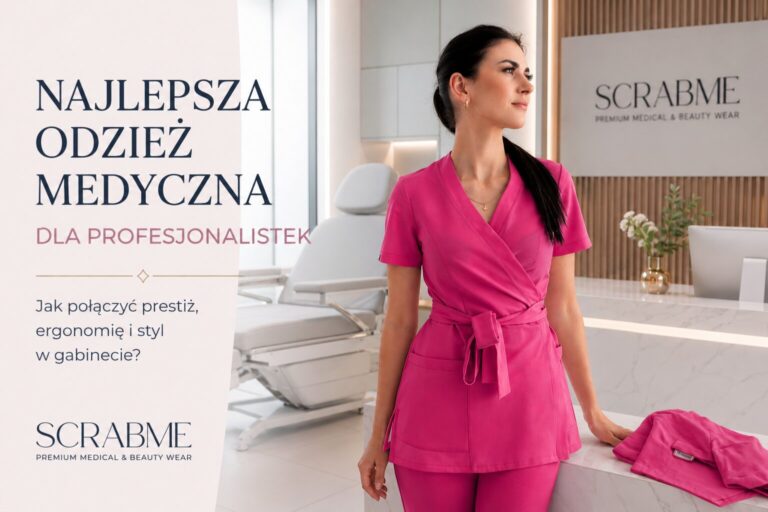
Today, image in medicine is of paramount importance. When a patient sees a professional in a clean, modern and well-fitting outfit, their confidence grows. For women, who are the backbone of the profession, medical scrubs for women is also part of building one's own identity.
Modern cuts (such as joggers), stylish colours and waisted cuts allow you to feel not only competent but also comfortable in your own skin. It's a subtle but important psychological difference that adds to confidence in this psychologically demanding profession.
Summary: More Than a Profession
The role of the nurse in the hospital cannot be overstated. It is the backbone, heart and brain of the healthcare system. It is a profession that requires the strength of a titan, the precision of a surgeon, the knowledge of a pharmacologist, the patience of a teacher and the empathy of a friend.
The next time you see a nurse in a dynamic run in a hospital corridor, remember that her role goes far beyond what you see at first glance.
We at Scrabme understand this złożoność. We understand that the outfit you wear must be worthy of your professionalism.
Thank you for everything you do. You are true heroes. If you are looking for garments that have been created to keep up with you and your passion - we would love to hear from you. check out our collection of women's medical scrubs. We designed them with you in mind.