
Going through surgery is a huge effort for the body. Many patients believe that a successful surgery completes the healing process. However, this is only half the battle. The real road to regaining full function, living comfortably and avoiding pain in przyszłości starts right after leaving the operating theatre. It is called post-operative physiotherapy.
As experts in health and medical professionalism, today we want to explain why this step is absolutely crucial and what exactly you gain from working with a good physiotherapist.
1. Surgery Repairs, Physiotherapy Empowers
Imagine that the surgeon is a precision mechanic who has repaired a complex machine. But now someone has to recalibrate this machine, oil it and teach it to work efficiently and safely.
That someone is your physiotherapist. The treatment fixes the problem (e.g. repairs a torn ligament or inserts an endoprosthesis), but it is physiotherapy:
- Restores normal function,
- It teaches the body anew how to move without compensation,
- It adapts the body to the new situation.
Without this „triggering”, the body can start to create abnormal movement patterns that, years later, will bring pain in a completely different place.
2. Management of Pain and Oedema
The first days after surgery are often a struggle with pain, swelling and limited range of movement. Professional physiotherapy, introduced as early as the first few days (often while still in hospital), dramatically speeds up this process.
Manual techniques, lymphatic drainage and appropriately selected low-intensity exercises improve blood and lymph circulation. This, in turn, directly translates into faster removal of inflammation and reduction of swelling, which naturally reduces pain sensations.
3. Prevention of Serious Complications
Neglecting to move after surgery is a straightforward route to serious problems. The most important of these are:
- Adhesions and Scars: Tissues after surgery tend to „stick together”. The resulting adhesions restrict mobility, pull and cause pain. The physiotherapist, through scar mobilisation and appropriate exercises, prevents this by ensuring that the tissues are flexible.
- Muscular Atrophy: Unused muscle weakens at an alarming rate. Physiotherapy prevents atrophy by keeping muscles ready for use.
- Thrombosis: Long-term immobilisation increases the risk of dangerous venous thromboses. Early activation is the key prevention here.
4th Physiotherapist: Your Professional Guide
Recovery is a process that requires trust in an expert. Your physiotherapist is a guide who knows when to speed up and when to slow down.
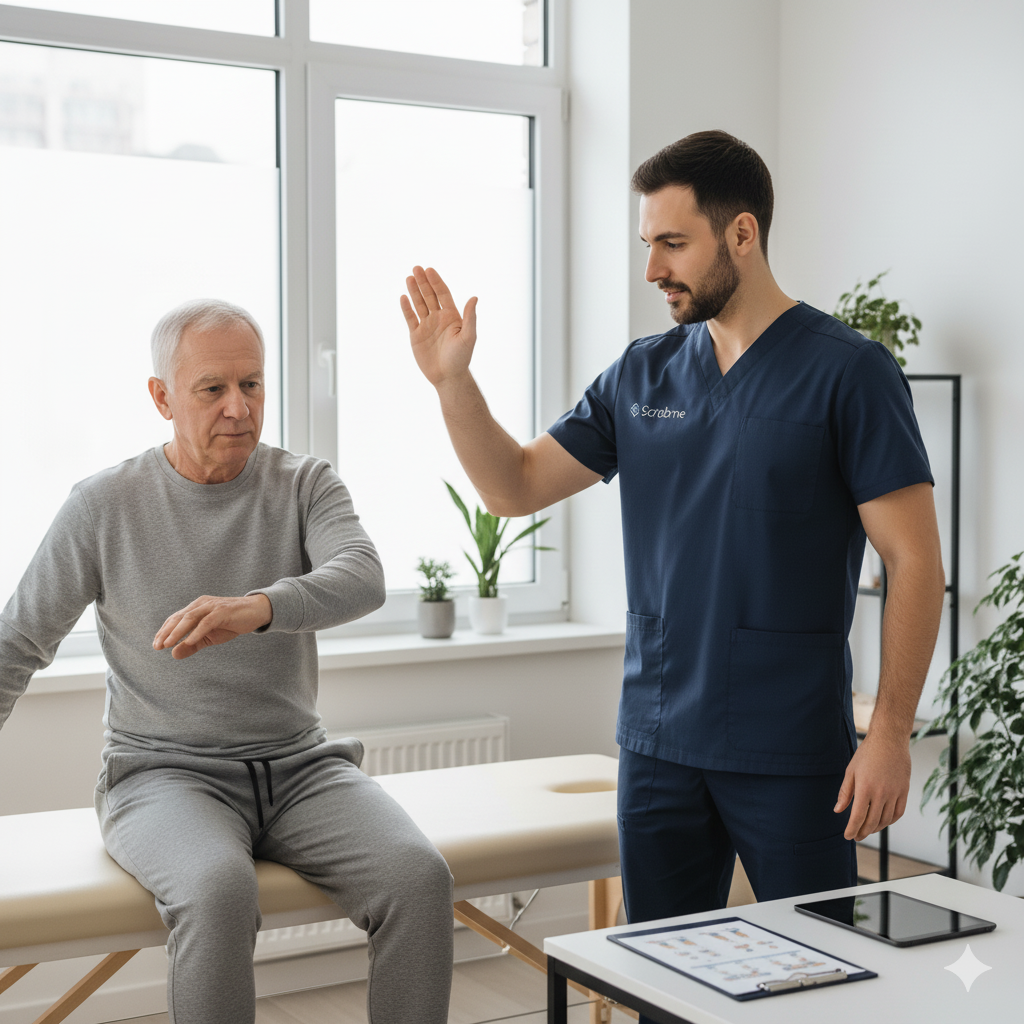
He is a professional who must not only be extremely knowledgeable, but also be able to physically show you any exercise, perform manual therapy or support you during gait training. This is why it is so important that he or she feels comfortable doing it themselves.
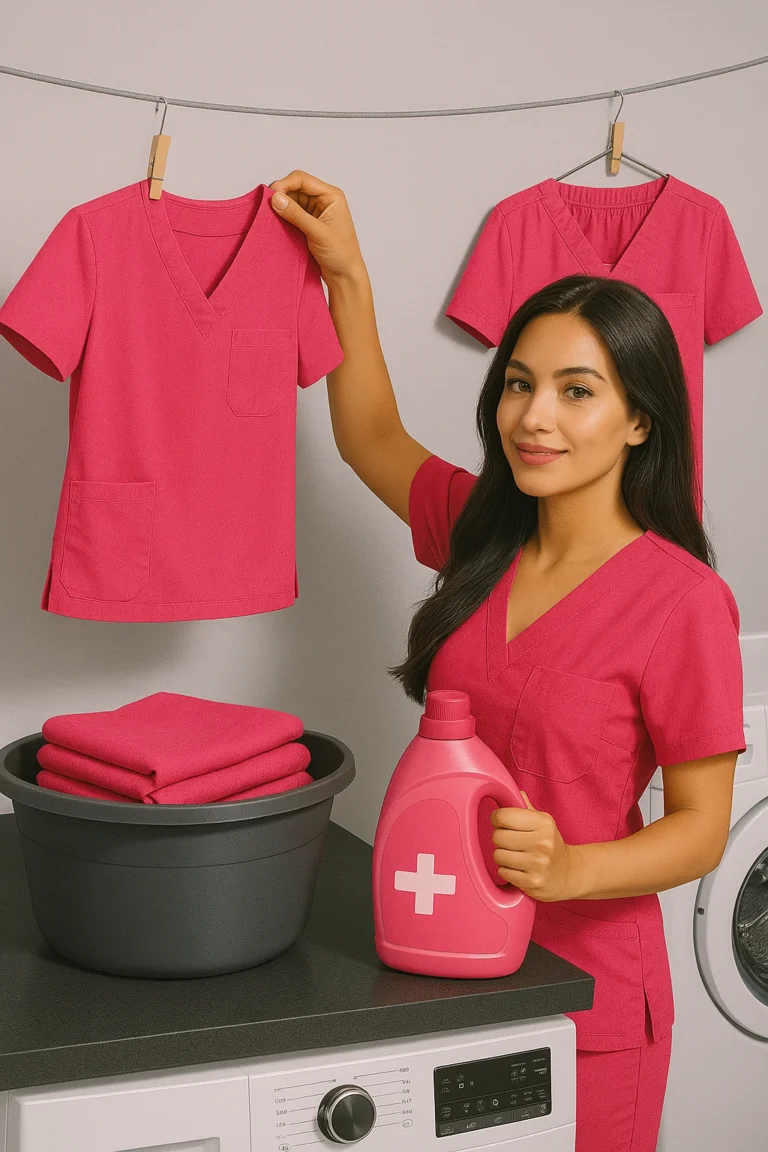
Functional, flexible and breathable women's medical wear (or male) scrubs are a staple for the physiotherapist. Professional scrubs allow for a full range of movement - from squatting next to a patient, to demonstrating complex exercises, to working for hours in the office. It is an outfit that combines professionalism with a readiness to be dynamic, which is the foundation of effective therapy.
5. recover 100% Capabilities (And Not Just 80%)
Many patients without physiotherapy „recover” - but only to a certain extent. They stop feeling acute pain, so they think they are healthy. Unfortunately, this often means a permanent reduction in range of movement or strength.
The aim of physiotherapy is not to get you 80% fit. The goal is 100% - to get you back to running, dancing, lifting grandchildren or just climbing stairs without thinking about your operated knee.
Surgery is an investment in your health. Don't let this investment lose its value through lack of proper „maintenance”. Treat post-operative physiotherapy not as an option, but as an integral and most important part of your treatment.
Listen to the recommendations of your doctors and physiotherapists - they are experts who work for your well-being.
And if you are a physiotherapist, nurse or doctor and are looking for clothing that can keep up with your passion and work dynamics - the check out the Scrabme collection of women's medical wear. We created it to support professionals in their daily mission.