
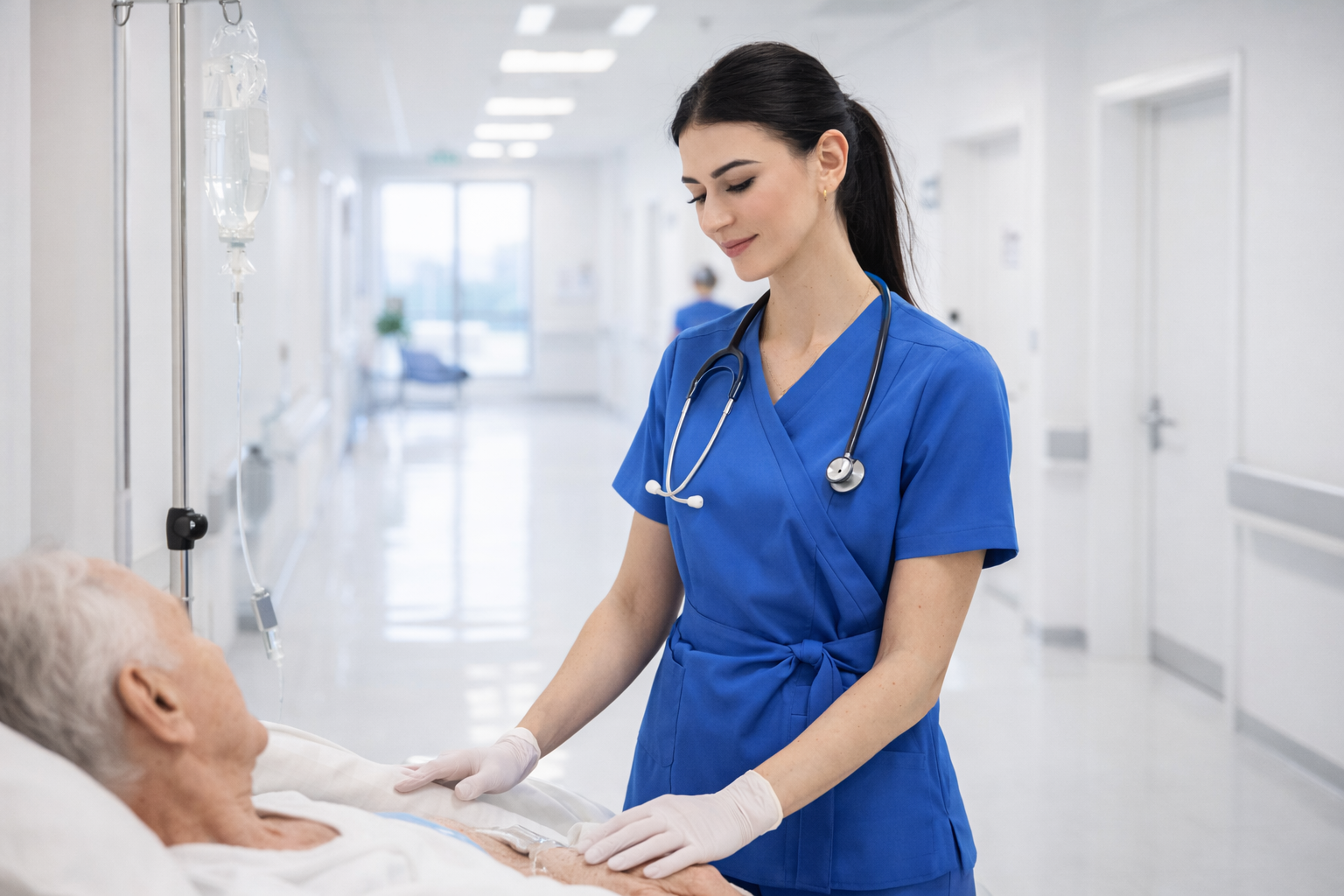
The nursing profession has undergone a huge transformation in recent years. Not so long ago, it was mainly seen as an auxiliary profession; today it is one of the pillars of modern healthcare. The modern nurse is a specialist who combines medical knowledge, technical competence, communication skills, mental toughness and the ability to work in dynamic and often extreme conditions. The demands on nurses are increasing with the development of medicine, the ageing population and the growing expectations of patients.
Today's professional reality includes not only the performance of medical procedures, but also participation in decision-making processes, patient education, interdisciplinary cooperation and continuous competence improvement. All of this makes the requirements multidimensional, encompassing formal education as well as personal qualities, work experience and the ability to adapt to different working environments.
Nursing education - the foundation of the profession
The basis for practising a profession is the relevant education. Currently, in order to obtain a licence to practise a profession, it is necessary to have completed bachelor's or master's degree in nursing. The training programme includes both basic sciences (anatomy, physiology, pathophysiology, pharmacology) and clinical subjects related to patient care.
The degree programme also places a strong emphasis on work placements, which take place in hospitals, clinics, specialist wards and long-term care facilities. Already during their przyszłe training, nurses learn teamwork, responsibility and how to function in real clinical settings where precision, time and decision-making skills count.
Training, courses and specialisations
The modern nurse cannot stop at basic education. Medicine is developing dynamically, so continuous upgrading of qualifications is required. Nursing is among the most frequently chosen areas of training:
- anaesthesia and intensive care,
- paediatrics,
- surgical,
- rescue,
- oncology.
Each of these specialisations involves additional requirements and practical knowledge. In addition to this, nurses attend numerous refresher courses (ECG, resuscitation, operation of modern equipment), which are often required by employers.
Soft skills - the key to working with patients
In addition to medical knowledge, soft skills are of great importance. A nurse's job involves daily contact with patients who are often in stress, pain or anxiety. Ability to communicate empathetically, patience and the ability to build relationships are as important today as technical skills.
Modern demands also include resilience to stress, the ability to work under time pressure and flexibility. Training in interpersonal communication or dealing with emotions is increasingly becoming an integral part of professional development.
Professional experience and branch specificity
On-the-job experience is crucial. Each department requires different skills:
- Hospital wards: Round-the-clock care, monitoring of patients' condition, administration of medication.
- Emergency room / ED: Rapid assessment of the patient's condition (triage), working under immense time pressure.
- Outpatient clinics (POZ): Educational role, outpatient procedures, record keeping.
Over time, nurses learn to react quickly and anticipate risks, which directly affects patient safety.
Medical clothing to support daily work
In the context of increasing demands, the role played by the medical clothing. The right work attire affects comfort, safety and a professional image. Long duty cycles, intensive physical work and frequent changes of position mean that clothing must be functional, comfortable and durable.
Modern medical garments are designed with ergonomics, breathable materials and ease of hygiene in mind. They are not just a uniform, but a real support for everyday duties.
Medical blouse and scrubs - the modern standard
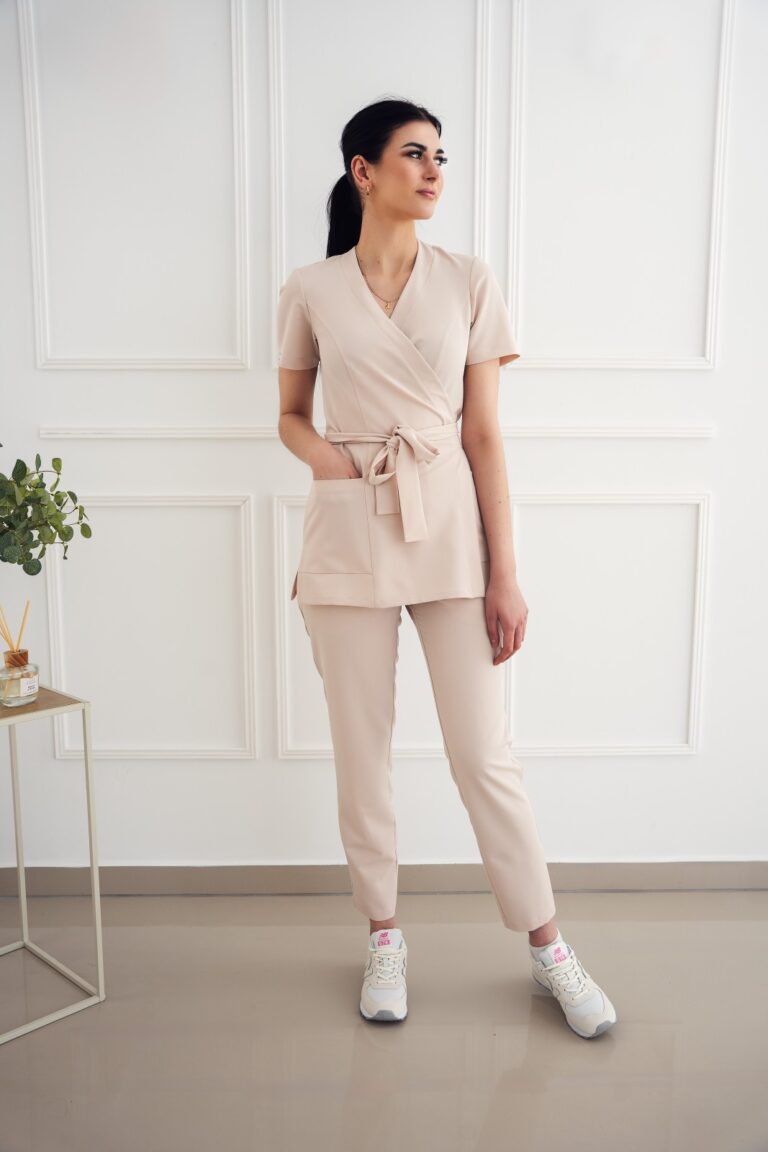
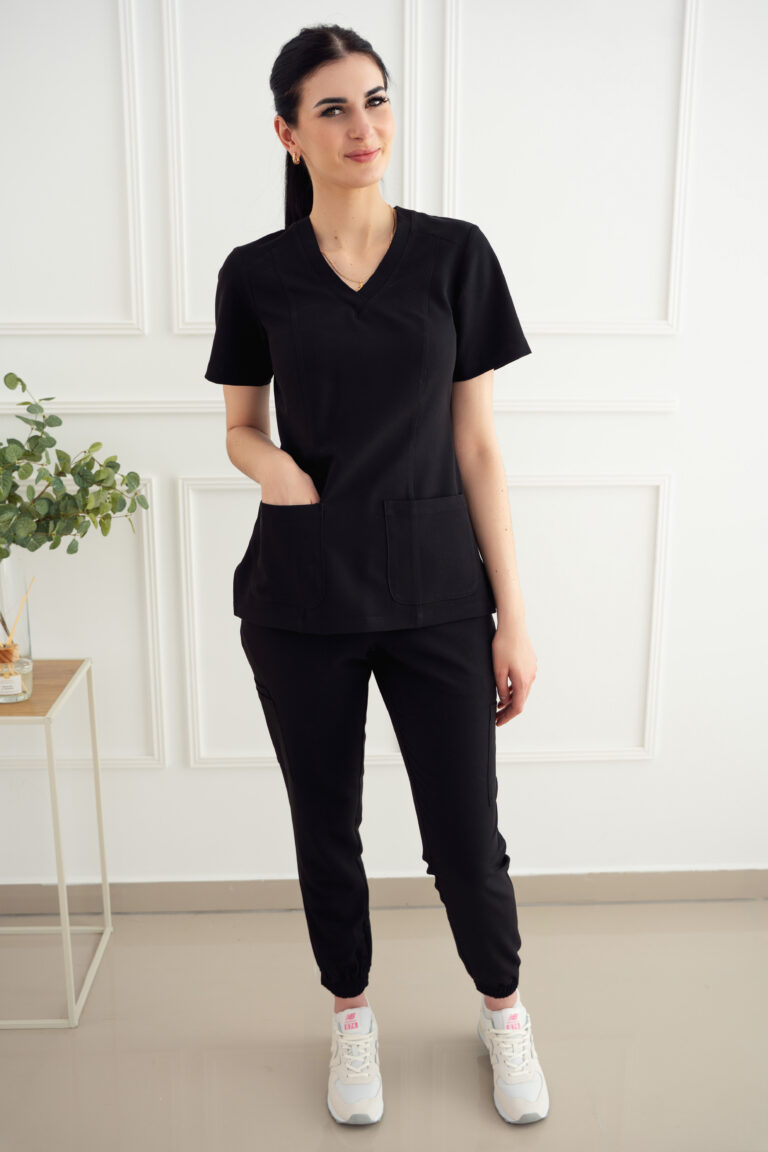
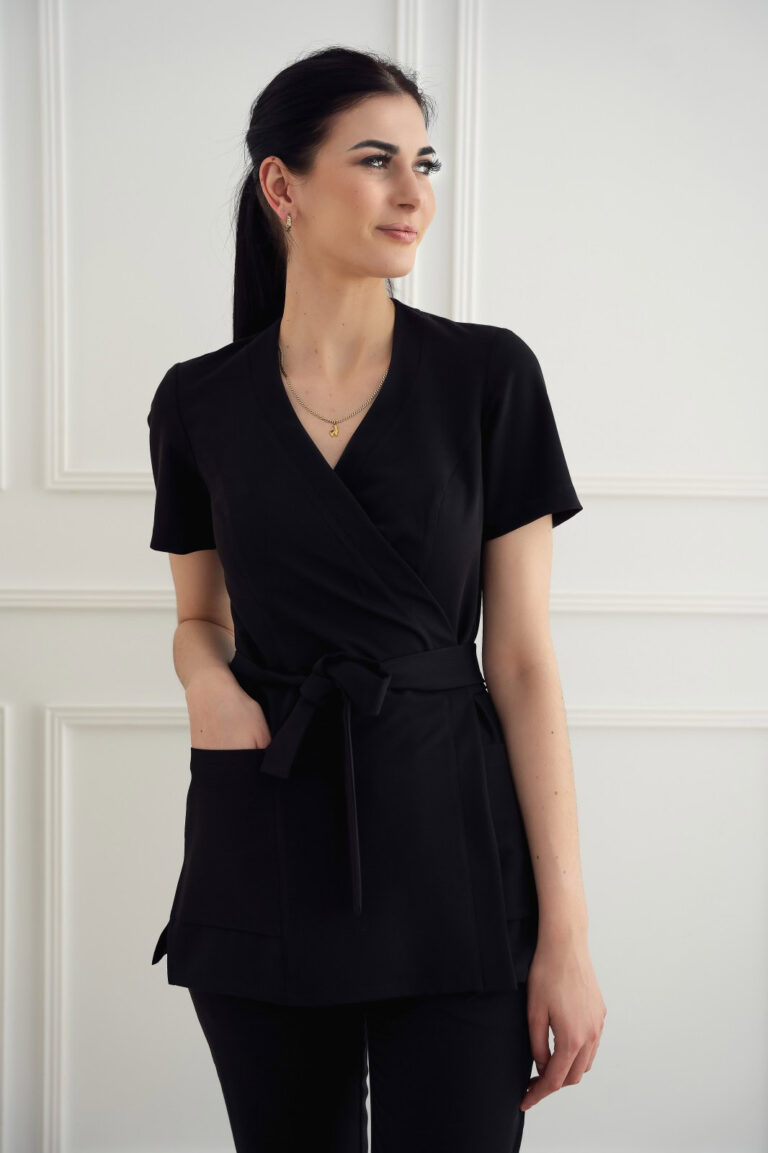
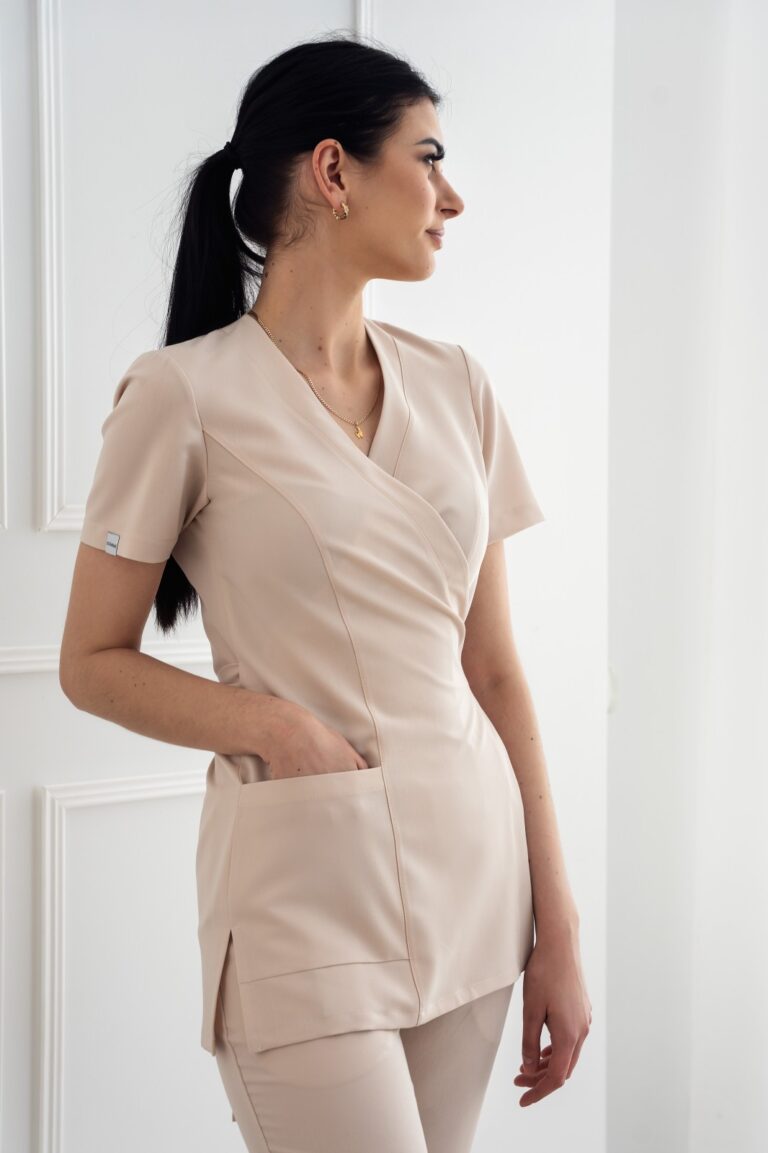
One of the key elements of the outfit is medical blouse. It is the one closest to the body and must allow freedom of movement. A well-designed model does not restrain the shoulders, does not cause overheating and maintains an aesthetically pleasing appearance throughout a 12-hour tour of duty.
Increasingly popular are also medical scrubs, which combine the comfort of sportswear with a professional look. Thanks to modern, stretchy materials, they are resistant to frequent washing and allow complete freedom of movement - invaluable in emergency departments or intensive care.
Summary
The demands on nurses today are high and multidimensional. They include a solid education, continuous competence development and developed soft skills. At the same time, physical comfort plays an increasingly important role, which is supported by modern developments such as functional scrubs i medical blouses.
The profession today is a combination of knowledge, responsibility and professionalism.
👉 Looking for garments that will meet the demands of your duty station? [Check out professional scrubs and medical blouses] created for today's nurses.