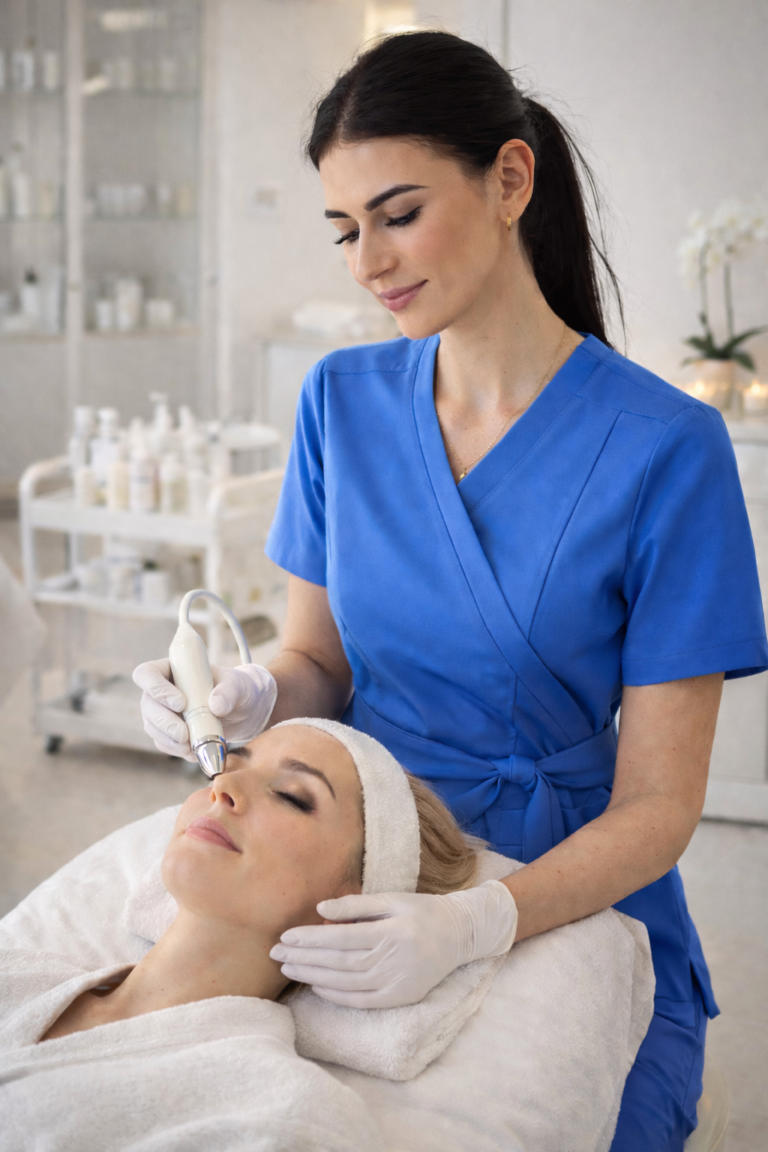

In the busyness of everyday life - between one patient and another, between treatment and filing paperwork - food often takes a back seat. We treat it mechanically. A quick sandwich on the run, a bar from the vending machine in the hospital corridor, litres of coffee instead of water.
We often forget a fundamental truth: food is information.
Every bite you put in your mouth sends a signal to your cells. It can be a „build”, „repair” and „protect” signal, or it can be a „store fat”, „cause inflammation” and „slow down metabolism” signal. As medical and beauty professionals, you are well aware of what a complex machine the human body is. But do you look after your own machine as well as the health of your clients?
This article is not another „miracle diet” for the summer. It is a comprehensive guide to fueling your body. You will learn how food affects your concentration during a 12-hour on-call shift, why the gut is your second brain and how what you eat links to the comfort of wearing your business uniform.
Chapter 1: Macronutrients - The foundation of your energy
To understand the impact of diet on health, we need to go down to the level of biochemistry. Our body needs three main pillars: proteins, fats and carbohydrates. The key is their quality, not just the number of calories.
1. Protein: Building and Regeneration
For a nurse, physiotherapist or surgeon, the job is a physical effort. Lifting patients, standing for hours at the operating table or giving massages all cause micro-damage to the muscles.
- Role: Protein is the building blocks for tissue repair, hormone and enzyme production.
- Where to look: Lean meat, fish, eggs, legumes (lentils, chickpeas), curd.
- Tip: Try to include protein in every meal. It is what gives you a feeling of satiety and prevents hunger attacks in the middle of a meal.
2 Fats: Hormones and the Brain
For years, fat has been demonised. Wrongly so. Your brain is made up of approximately 60% of fat! Without healthy fatty acids, the nervous (concentration!) and endocrine systems start to fail.
- Good Fats: Omega-3 fatty acids (oily fish, flaxseed oil, walnuts) have a strong anti-inflammatory effect. Olive oil, avocados - these are friends of your heart.
- Bad Fats: Trans fats (hydrogenated vegetable oils in fast food and sweets). They are the ones that clog arteries and cause inflammation.
3 Carbohydrates: Fuel (Good and Bad)
Carbohydrates are glucose - the primary fuel for the brain and muscles. The problem lies in the „octane” of this fuel.
- Simple Carbohydrates (Sugar, White Flour): They give a quick shot of energy (insulin spike) followed by a rapid drop („energy slide”). In the work of a medic, this is dangerous - drowsiness and lack of concentration can lead to error.
- Complex Carbohydrates (Groats, Wholemeal Bread, Vegetables): They release energy slowly and steadily over many hours. This is the fuel you need on a long standby.
Chapter 2: Micronutrients - Silent Heroes of Resilience
We often feel tired not because we are eating too few calories, but because we are qualitatively malnourished. We lack vitamins and minerals, which are catalysts for life processes.
Magnesium - the element of tranquillity
Stress, coffee and hectic schedules flush out magnesium at an alarming rate. Its deficiency means: twitching eyelids, calf cramps, irritability, insomnia and... lack of energy.
- Sources: Cocoa, dark chocolate, pumpkin seeds, almonds, buckwheat groats.
Iron - Strength and Oxygenation
Particularly important for women. Iron transports oxygen to the cells. If you are anaemic, your cells suffocate. Symptoms? Constant fatigue, pallor, hair loss, breathlessness when climbing stairs.
- Sources: Red meat, liver, but also parsley, beetroot and spinach (remember to combine these with vitamin C for better absorption).
Vitamin D3 - Sunshine in a tablet
Most medical and beauty staff work indoors with artificial light. Vitamin D3 deficiency in our latitude is common. It affects not only the bones, but especially the resistance i mood (seasonal depression). Supplementation (after blood level testing) is a must in Poland.
Chapter 3: The Gut - Your Second Brain
What goes on in your stomach has a direct bearing on what goes on in your head. The gut-brain axis is a scientific fact. The gut microbiota (the bacteria that inhabit the gut) produces most of the serotonin (the happiness hormone) in your body!
A poor diet (sugar, processed foods, lack of fibre) destroys good bacteria and promotes the growth of pathogens and fungi. The result?
- Flatulence and discomfort (difficult to bear at work).
- Mood decline and anxiety.
- Decreased immunity (70% immunity comes from the gut!).
- Skin problems (acne, eczema).
How do you look after your bowels?
- Silage: Natural probiotics (cabbage, cucumbers, kimchi).
- Fibre: Prebiotic, or food for bacteria (vegetables, fruit, whole grains).
- Avoiding antibiotics: (if not necessary) and probiotic cover during treatment.
Chapter 4: Hydration - Key to Clarity of Mind
In the heat of the battle for a patient's health, we often forget to drink water. This is a cardinal mistake. As little as 2% of dehydration causes a decline in cognitive function, deterioration of short-term memory, headaches and a decrease in physical performance.
We often confuse thirst with hunger. Instead of reaching for a glass of water, we reach for a snack. A rule for the medic: Put a bottle of water in your duty station, in a visible place. Drink in small sips, but often. Avoid sugary fizzy drinks - they are empty calories that don't hydrate but only raise sugar levels.
Chapter 5: Diet and Comfort at Work - Ergonomics and Dressing Perspective
You may ask: what does diet have to do with clothes? It turns out that a great deal. Comfort at work is the product of two factors: how you feel on the inside (physiology) and what you have on the outside (clothing).
Problem: „Post-dinner” discomfort
You know that feeling when, after eating a heavy, fatty meal at the canteen, you feel sluggish and your trousers are suddenly too tight? Flatulence and water retention are a common effect of złhis diet (excess salt and simple carbohydrates).
In a job that requires movement - bending, squatting, running - such discomfort is unacceptable. The pressure in the belt is distracting and irritating.
Solution: Symbiosis of Diet and Dressing
Of course, a light diet that doesn't strain the stomach is the basis. But our body changes throughout the day, depending on the cycle, hydration or meal.
This is where professional medical clothing that „understands” physiology comes to the rescue.
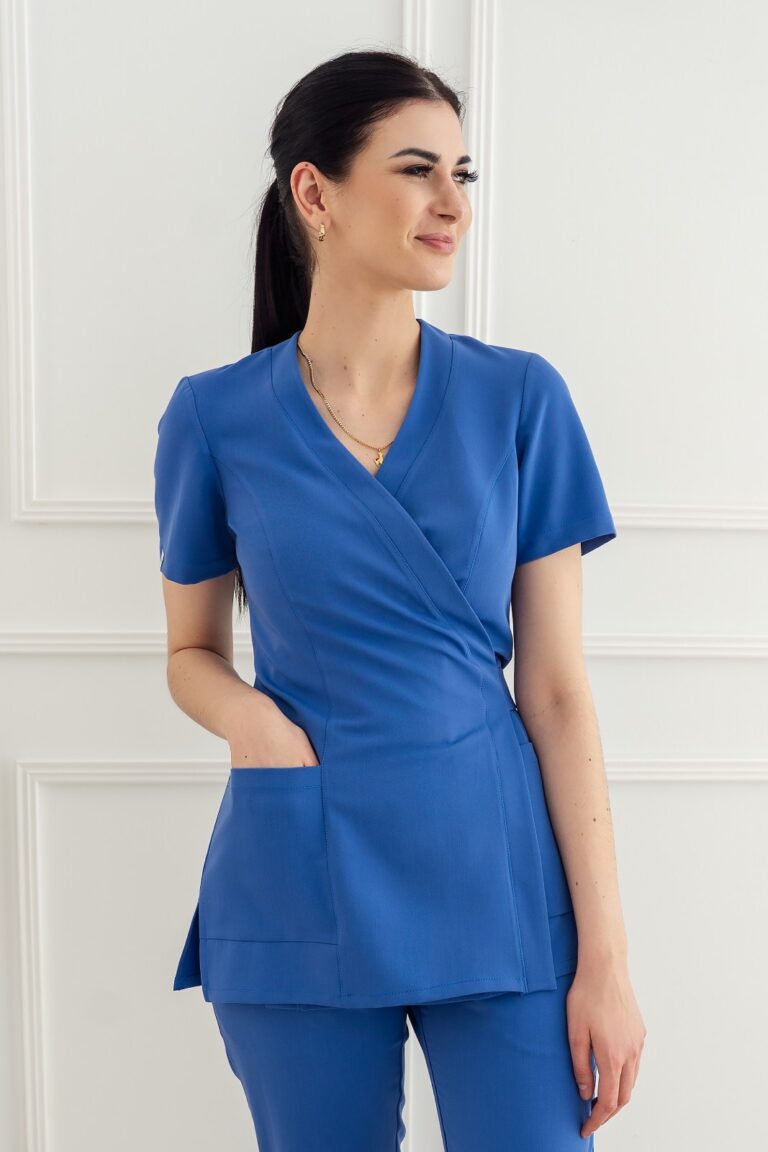
- Flexibility: Good cosmetic tunic or medical, made of fabric with added elastane, works with your body. It does not drag when you take a deeper breath, and adapts to your figure even if you feel slightly puffy.
- Waistband in Trousers: Modern cosmetic trousers (especially jogger models) have an elasticated waistband and drawstrings. They are a salvation after a meal or during a long sitting at a desk. They allow you to adjust the pressure, providing digestive comfort.
- Breathability: If your diet (e.g. spicy food, excess caffeine) or stress causes hot flashes or sweating, the material becomes crucial. Blended with high-quality viscose, it wicks away moisture much better than pure polyester, preventing the unpleasant „wet compress” feeling on your back.
A healthy diet and ergonomic clothing are two pieces of the same jigsaw puzzle called „Comfort at Work”.
Chapter 6: Planning - How to Eat Healthy on Call?
The theory is beautiful, but how to implement it in hospital realities, where a lunch break is a luxury? The key is Meal Prep (preparing meals in advance).
„Boxing” rules for Medics:
- Don't count on the canteen/automatic: It's roulette. All you'll find in the vending machine is sugar and fat.
- Prepare on your day off: Cook more porridge, roast meat or vegetables 3 days ahead.
- Quick snacks (SOS): Always have an „iron stock” in your cupboard at work:
- Nuts (not salted).
- Bitter chocolate.
- Protein bars (with good composition, no glucose syrup).
- Protein shake powder (simply pour in water).
- Form matters: On call, there is often no time to use a knife and fork. Wraps, smoothies, salads, veggie chunks with hummus - something that can be eaten „with one hand” in 5 minutes is at złot's weight.
Chapter 7: Anti-Inflammatory Diets and Occupational Diseases
Working in medicine and beauty puts a strain on joints and the spine. Chronic inflammation in the body exacerbates pain. Diet can act as a natural painkiller and protective medicine.
- Turmeric and Ginger: Strong anti-inflammatory effect. Add to tea or dishes.
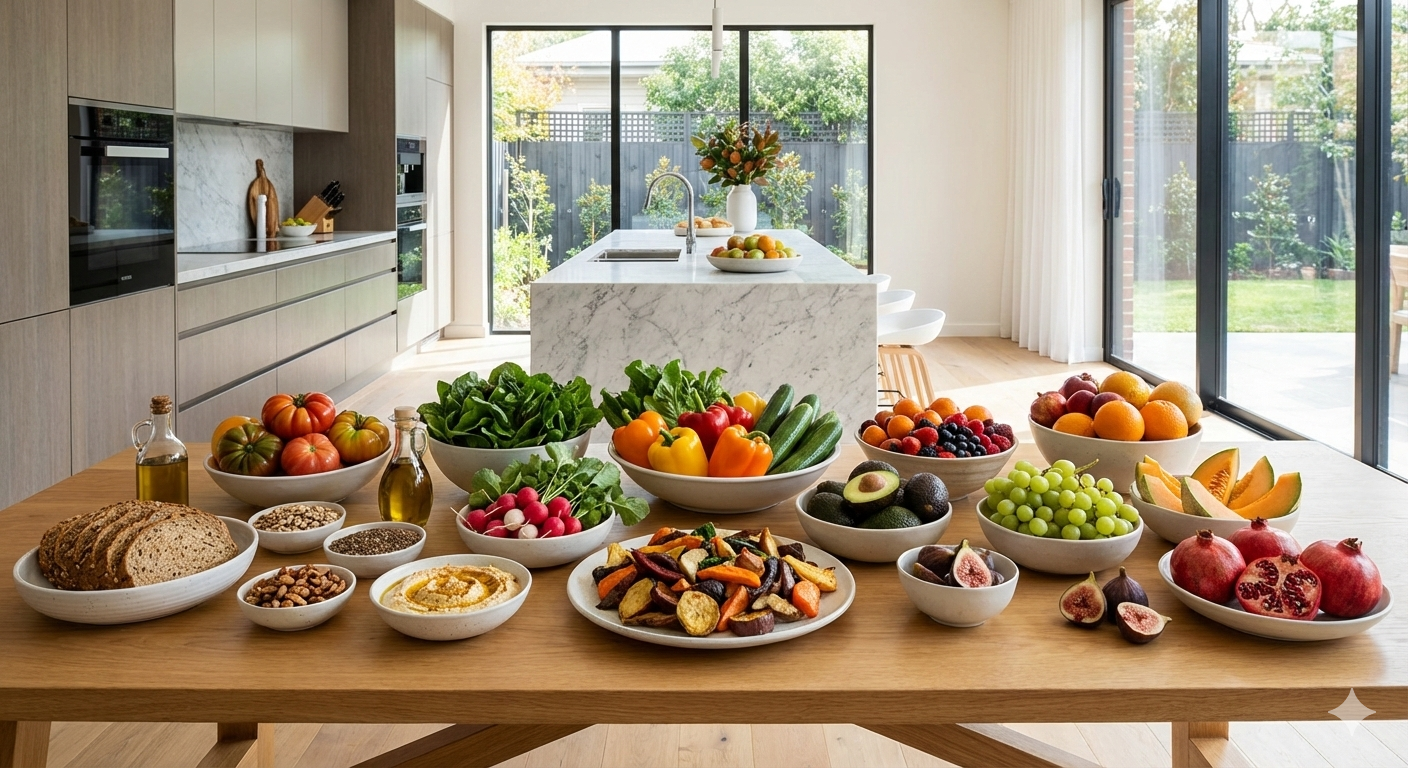
- Antioxidants (Vegetables and fruits): They sweep away the free radicals that are produced by stress and fatigue. The more colourful the plate, the better.
- Collagen: (From diet, e.g. bone broths, jellies or supplementation). Supports joints and... skin (which is important for the beauty industry!).
Summary: The investment with the highest rate of return
Taking care of your diet is not a fad or a matter of aesthetics (although a better figure is a nice side effect). For you - the professional on whom the health of others depends - taking care of your own nutrition is a professional obligation.
It is an investment in yours:
- Energy: To have the strength for the 12th hour on duty.
- Concentration: To avoid making a mistake when dosing medicines.
- Resilience: To avoid catching infections from patients.
- Professional longevity: To work in good health for years.
Start with small changes. One glass of water more. One piece of fruit instead of a candy bar. A more comfortable outfit that doesn't put pressure on your belly. Your body will thank you for it - and so will your patients.
Want to change your eating habits? Don't throw yourself in at the deep end. Consult a clinical dietitian who will tailor a plan to your lifestyle and test results. Health starts on the plate.
We support your health and comfort every step of the way. If you're looking for a garment that's as flexible as your schedule and as professional as you are - we've got you covered. discover the collection medical clothing i cosmetic Scrabme. Our tunics and trousers are designed to work with your body, whatever the challenges of the day.