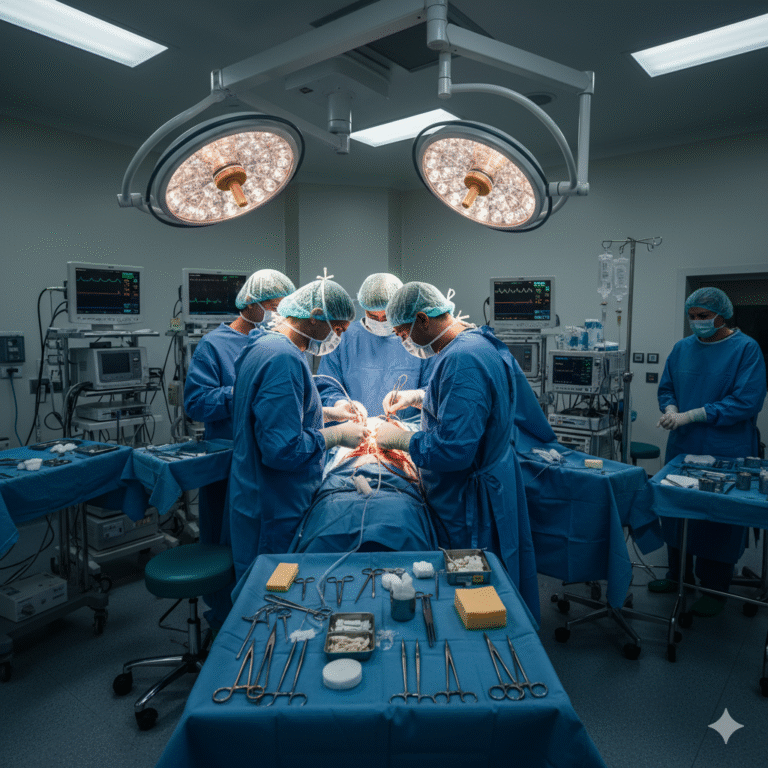

They are the pillars of the healthcare system. The first face we see when we come into the world, and often the last to hold our hand. Nursing and midwifery - two professions that, despite the gigantic technological evolution, invariably rely on a single, irreplaceable factor: c1TP1Fidelity.
These are professions that enjoy the highest public trust in Poland. But behind this trust is titanic work, years of study and a daily struggle that patients often do not see. What does the path to becoming a licensed nurse or midwife really look like? What are the realities of their work, their development paths and the challenges they face every day on 12-hour on-call duty?
As a brand that has the privilege of supporting and dressing these professionals on a daily basis, we feel obliged to bring you closer to a world that only those who carry its weight know.
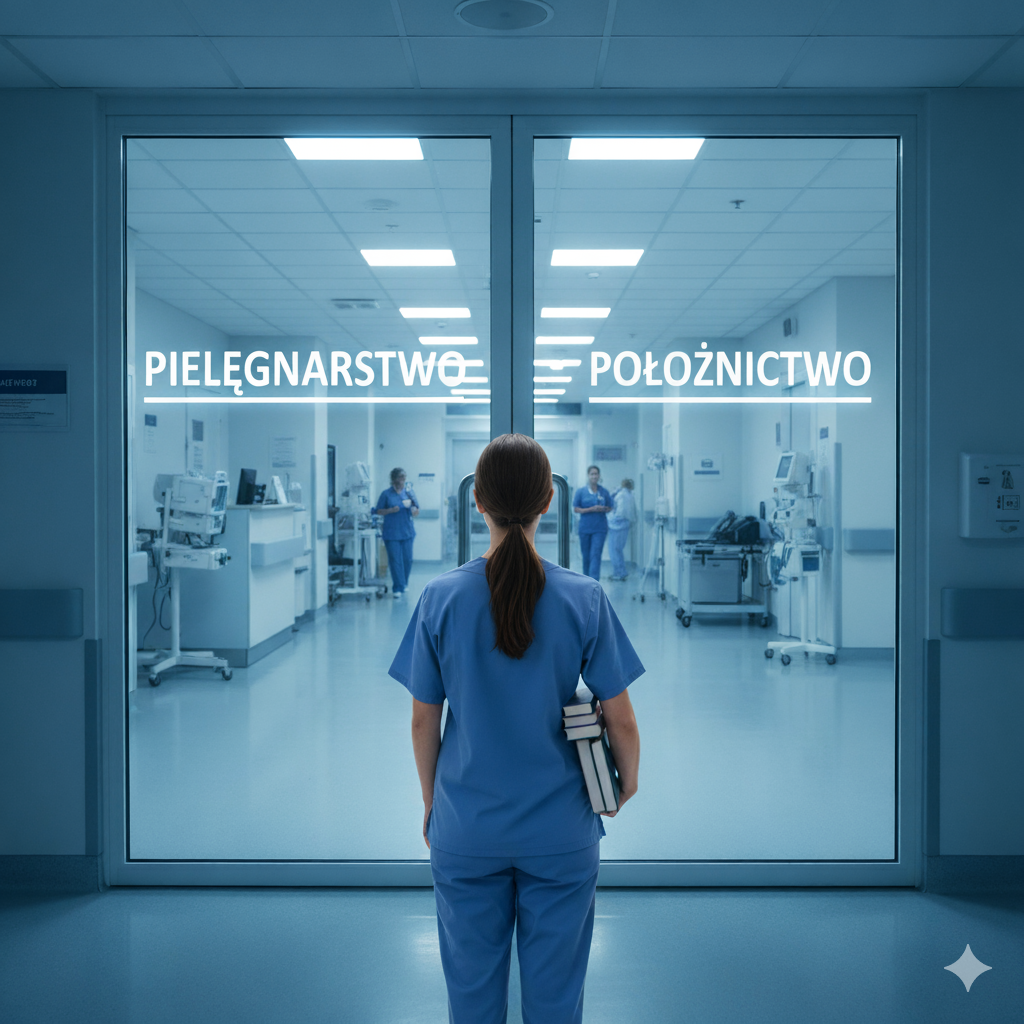
Nurse vs. Midwife: Understanding the Difference
Although often lumped together, these are two distinct, albeit closely related, medical professions. Both are regulated by law and require the acquisition of a Practising Licence (PWZ).
Nursing is holistic care. The nurse or nurse practitioner cares for patients of all conditions and ages - from the newborn in pathology, to the adult in internal medicine, to the senior citizen in palliative care. Her field of action is the whole c1TP1Person and their response to illness.
Obstetrics is specialised care, focused on a specific stage of a woman's life. The midwife (or midwife, because there are some!) is an expert in the physiological course of pregnancy, childbirth, postpartum and the care of the newborn. She is also the guardian of a woman's gynaecological health throughout her life.
Both professions today require a university degree. The era of medical high schools or two-year medical studies that trained „sisters” is gonezła irrevocably to history.
The Education Way: How to Become a Professional Today?
It used to be that „a quiet voice and deft hands” were enough. Today, it is an advanced science. The road to these professions is long, demanding and saturated with knowledge that rivals that of a medical degree.
Track #1: How to Become a Nurse?
Being a nurse today is a bachelor's or master's degree.
- Undergraduate Studies: It is 3 years (6 semesters) of intensive study. The programme covers not only the basics of care, but the science subjects: anatomy, physiology, pathophysiology, biochemistry, pharmacology, microbiology. The student must complete hundreds of hours of internship in internal medicine, surgery, paediatrics, psychiatry or anaesthesiology departments.
- Second Degree (Master's) Studies: Another 2 years (4 semesters) for those who want to go in a scientific, teaching or management direction (e.g. to become a ward nurse).
- Right to Practise (PWZ): After defending his bachelor's degree, the graduate must zło submit the documents to the District Chamber of Nurses and Midwives (NIPiP) in order to obtain the coveted PWZ number. Without it, he or she cannot take up employment.
Track #2: How to Become a Midwife?
The path is analogous, but the study programme is profiled from the start.
- Undergraduate Studies: 3 years (6 semesters). Instead of general internal medicine, midwifery students focus on gynaecology, obstetrics, neonatology (newborn care), delivery techniques, pregnancy pathology and antenatal education. Practices take place in delivery rooms, obstetrics and gynaecology departments.
- Second Degree (Master's) Studies: A further 2 years, deepening expertise.
- Right to Practise (PWZ): Issued by the NIPiP, it entitles the holder to independently attend physiological births, manage the pregnancy and care for the mother and child.
Studying is Only the Beginning: The World of Specialisation
Studying is only the beginning. The modern nurse or midwife is a „lifelong learner”. In order to advance, earn more and perform the most complex procedures, she needs to acquire specialisations.
This is another multi-year process that culminates in a state examination (similar to medical examinations).
The nurse can specialise in, among other things:
- Anaesthesia and intensive care nursing (the famous „anaesthetists” - the elite of the profession).
- Surgical nursing (instrument nurses, assisting with operations).
- Paediatric nursing, psychiatric nursing, palliative care and many others.
The midwife can specialise in, among other things:
- Gynaecological and obstetric nursing (working in pregnancy pathology departments).
- Neonatal nursing (care of premature babies).
- Becoming a community midwife (maternal and newborn home care).
12 Hours of Truth: The Realities of Ward Work
Education is demanding, but it is the reality of work that verifies everything. Forget the image of the TV series. Real duty is a 12-hour marathon (or sprint) - physical, intellectual and mental.
Physical strain: Marathon at Scrubs
A nurse and midwife can walk between 8 and 15 kilometres in one duty period. This is not walking. This is walking, trotting and running between patient rooms, the treatment room and the on-call room.
Added to this is the physical work:
- Lifting and turning patients (often weighing more than 100 kg).
- Stooping, squatting, assisting with procedures in awkward positions.
- Pushing heavy beds, medicine trolleys and apparatus.
It is work that drains the body. Therefore, what they wear is not just „clothes”. It is equipment.
Intellectual Load: The Operational Brain
The nurse on the ward is the operational brain. She has to have eyes all around her head. One minute she's administering a precisely calculated dose of a powerful drug, the next she's answering a doctor's call, the third she's coordinating a patient's transport for an examination, and the fourth she's noticing a subtle change in a patient's breathing that could herald a crisis.
This is not „following orders”. It is critical thinking. It is a continuous assessment of the patient's condition (assessment), analysing parameters from the monitors, connecting the dots and making decisions.
Emotional Burden: Between Life and Death
This is the most difficult aspect. The nurse and midwife work on the frontline of human emotions.
A midwife welcomes a new life into the world one moment, crying with happiness with the parents, to support a mother who has given birth to a stillborn baby in the same room an hour later. The ICU nurse fights for the patient for a month, gets to know the family, to declare death at the end of her duty and prepare the body for transport.
They need to be a support to terrified patients, a buffer to claimant families and a rock to themselves. This mental resilience is crucial, but it costs an unimaginable amount to build.
The Evolution of the Image: From the Cap to Modern Scrubs
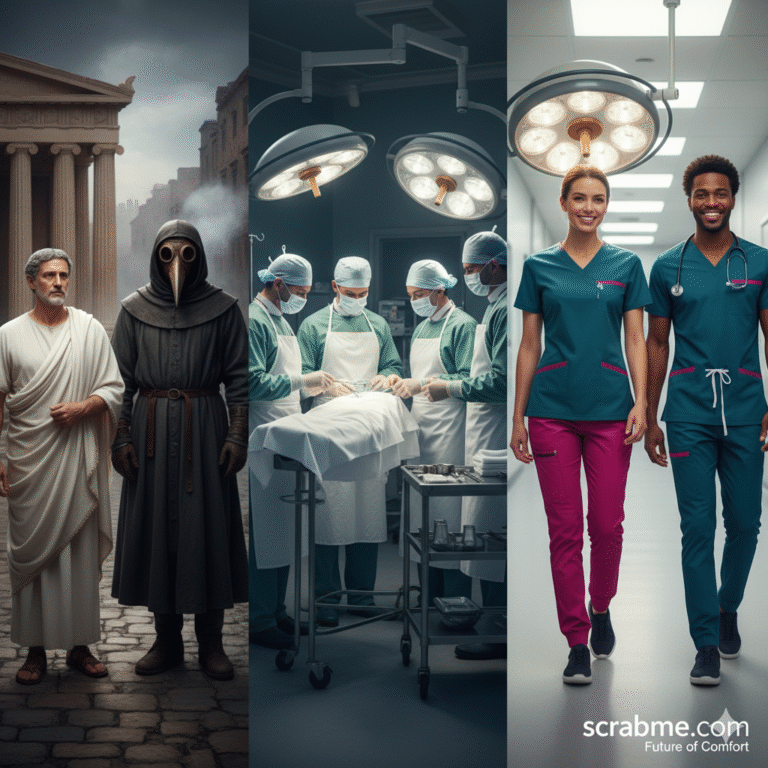
As the scope of responsibilities changed, the attire had to change too. The evolution of the nursing uniform is a mirror image of the evolution of the entire profession.
The „Sisterhood” era: Cap and Stiff Apron
For decades, the symbol of the nurse was the white, stiff, starched apron and cap. This garb had its justification - white symbolised cleanliness and sterility. But it was also a symbol of hierarchy and... subordination.
It was a profoundly impractical outfit. It restrained movement, was uncomfortable, and the cap (albeit symbolic) was a bane to daily work and harboured bacteria.
The Ergonomic Revolution: the Birth of Scrubs
The breakthrough came with an increased awareness of work ergonomics and infection control. It was realised that the medical professional could not fight with his own clothes.
They were born scrubs - originally as a simple surgical outfit (hence the name, from „scrubbing in”, meaning washing up for surgery). They were loose, simple and cheap to sterilise.
New Era: Scrubs as a Tool for Work
What we see today is the third stage of this evolution. Contemporary medical scrubs is a high-tech garment, designed as precisely as clothing for professional athletes.
Because the work of a nurse it is competitive sport.
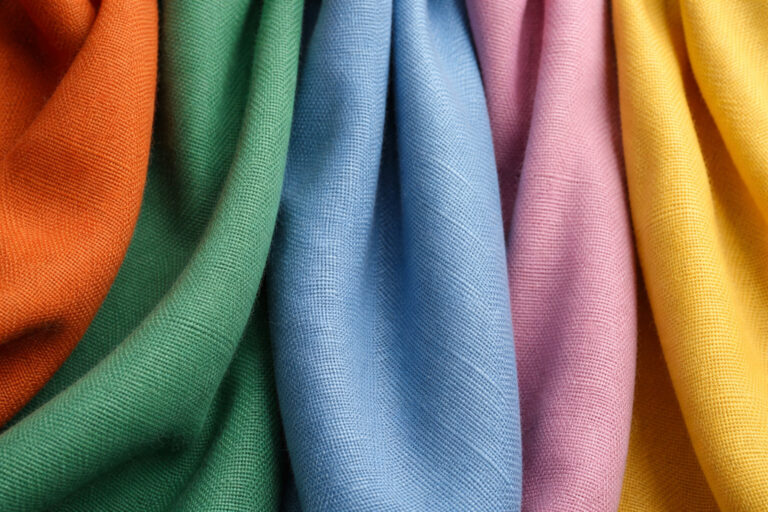
- Material Technology: Stiff cotton has been replaced by smart blends of polyester, viscose and elastane. The material has to be flexible, to keep up with movement when resuscitating or lifting a patient. It must be breathable i moisture-wicking, because a 12-hour run in a ward is a gigantic effort.
- Functionality: Contemporary scrubs is a mobile command centre. The number of pockets (for phone, pens, notebook, scissors, plasters), their depth and positioning are the result of years of ergonomic research.
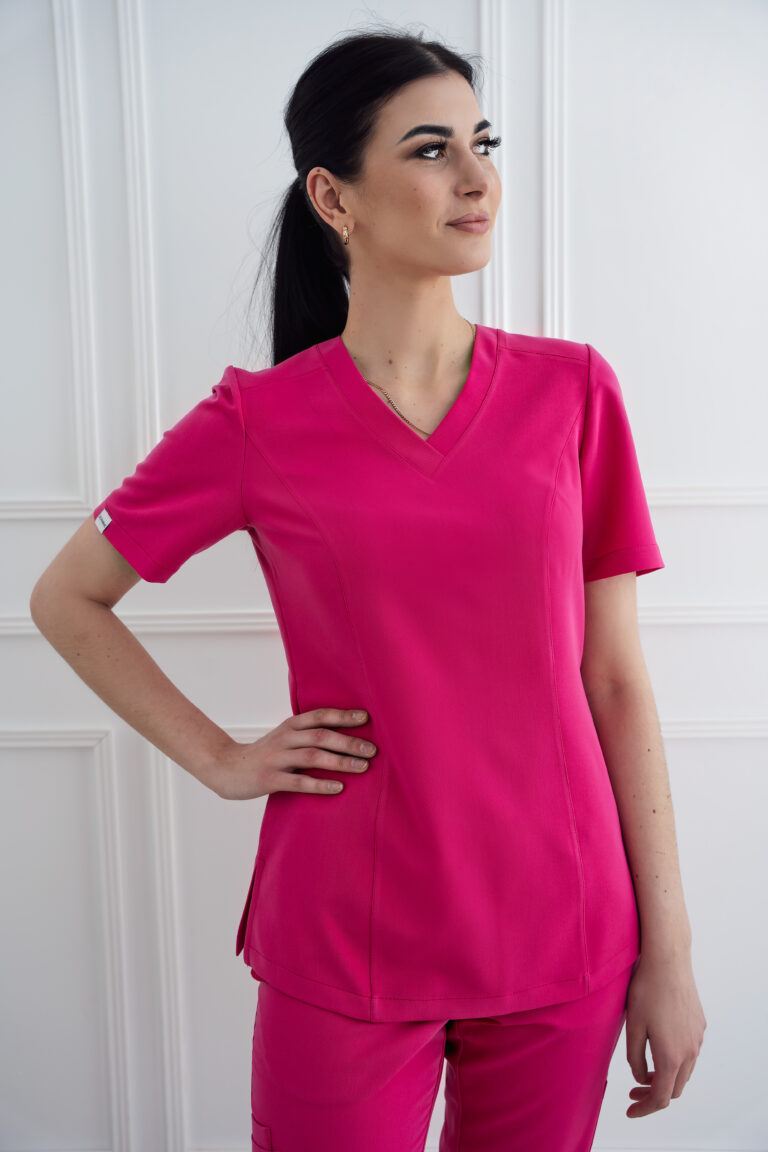
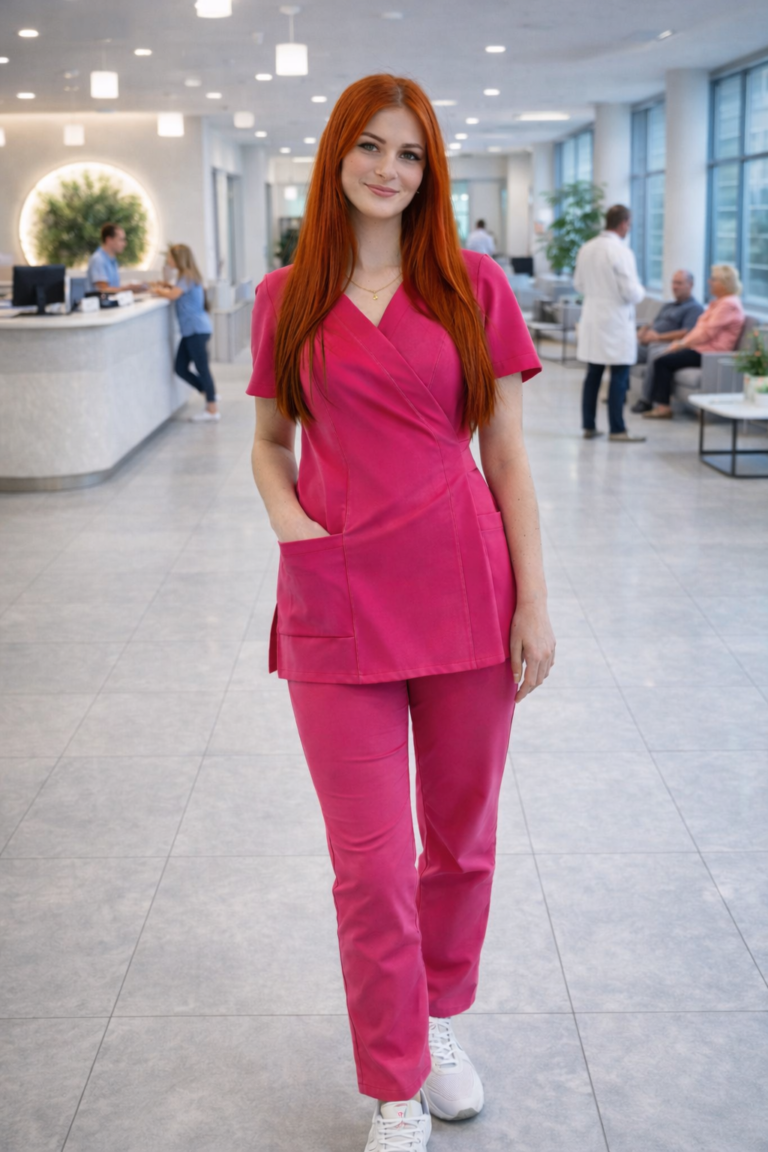
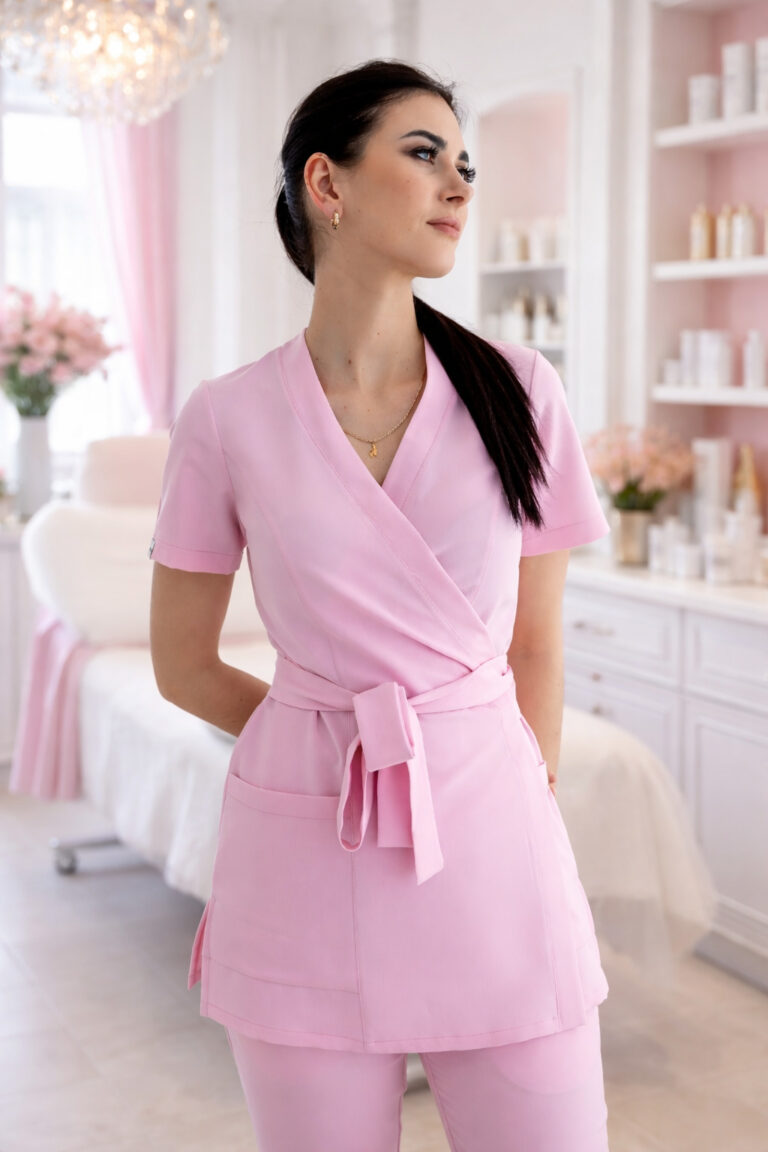
- Image and Psychology: The outfit is no longer genderless. Modern medical scrubs for women They have waisted cuts, cuts (like joggers) that allow the woman to feel professional yet feminine. The colour scheme (from pastels to deep navy blue or black) allows the team to be identified, builds authority and (crucially) makes the patient see a modern, competent professional rather than a „helper”.
Today, professional scrubs is no longer just a dress code. It is a demonstration of professionalism, competence and respect for one's own body and comfort.
Earnings and Development: Is Vocation Alone Enough?
It is a painful topic, but a crucial one. For years, salaries in these professions have been a symbol of undervaluation in Poland. It was said to be a „mission” and a „vocation”, justifying low salaries with this.
Fortunately, after years of protests and thanks to the new law on minimum salaries in health care, the situation has improved significantly. Today, the salary of a nurse and midwife is closely linked to her education. A nurse with a master's degree and specialisation earns much more today than she did a few years ago, although many still feel that this is not adequate for the gigantic responsibility they bear.
Many professionals, in order to make a decent living, continue to work several jobs or take on extra on-call duties, which only exacerbates the problem of burnout.
Summary: The Profession We Stand On
The road to becoming a nurse or midwife today is long, expensive and fraught with learning. It is no longer just a „vocation” - it is a career choice for ambitious, intelligent and strong people who want to combine advanced medical knowledge with a real impact on people's lives.
They are the heart of the system. They are the ones who are by our side in the most difficult moments. And they are the ones who deserve the utmost respect, the best working conditions and tools - including attire - that are worthy of their professionalism.
If you are considering this path - congratulations. It is one of the most beautiful and necessary professions in the world. It's tough, but it offers a satisfaction that can't be measured. Be prepared to learn hard, but also to do work that has real meaning.
And if you are already on that front - thank you. For every minute saved, for every smile despite the fatigue, for your professionalism in the chaos. We know what you do. And that's why we create Scrabme. Check out our collection medical scrubs, designed to keep up with you.