
The beauty industry in Poland is experiencing the złoth century. Beauty parlours, aesthetic medicine clinics and SPA salons have become an integral part of our everyday life. Behind this gigantic market, worth billions of złotych, are thousands of professionals - cosmetologists and beauticians. It is they who, armed with knowledge, technology and extreme precision, take care not only of our appearance, but also of the health of our skin and our well-being.
But who is the person we actually entrust our face to? What is the path one has to go through to legally and safely practice this profession? What are the realities of the job that are not talked about on Instagram? And how much can you earn in this dynamic industry?
As a brand that works with and dresses health & beauty professionals on a daily basis, we decided to create a complete guide to one of the most fascinating professions out there.
Pillar 1: Beautician vs Cosmetologist - Key Difference
To begin with, we need to clarify a fundamental difference that still eludes many people. Although the terms are sometimes used interchangeably in colloquial speech, from a formal point of view they denote two different educational and competence paths.
Beautician (Cosmetic service technician)
It is an artisanal profession. Title beauty services technician is usually obtained in two-year post-secondary school or by Vocational Qualification Courses (VQC).
The curriculum focuses on the practical skills of performing skin care, beauty and basic therapeutic treatments. These include:
- Facial treatments (manual cleansing, masks, peels).
- Hand and foot care (manicure, pedicure).
- Henna, eyebrow adjustment, waxing.
- Basic knowledge of anatomy and dermatology.
Cosmetologist (Graduate College)
He is a specialist who has completed higher education - A 3-year bachelor's degree and often a 2-year master's degree in the field of „Cosmetology”. This specialisation is often taught at Medical Universities or Academies of Physical Education (in health sciences departments).
This is the key difference. Studying cosmetology is not a „make-up course”. It is a tough, scientific study where the programme includes:
- Anatomy, physiology and histology of człhe human.
- Biochemistry and cosmetic chemistry (in-depth analysis of INCI compositions).
- Dermatology, allergology and endocrinology.
- Advanced technologies (operation of lasers, IPL, radiofrequency).
- Fundamentals of pharmacology and aesthetic medicine.
The cosmetologist has a much broader competence to work with „difficult” cases - acne-prone skin, vascular skin, atopic skin. He is able to make long-term therapeutic plans and cooperate with doctors (dermatologist, endocrinologist).
Pillar 2: Work Mode - The Realities of Everyday Life in the Cabinet
Whatever your educational path, working in a practice has its own characteristics. It is not a light-hearted profession of „having a nice time”. It is hard work physically and mentally.
Physical work: Patience and strength
Most cosmetologists spend 8-10 hours a day on your feet or in a forced position (leaning over a treatment chair or bed).
- Spinal load: Constant stooping leads to chronic back and neck pain.
- Wrist loading: Precise, repetitive movements (as in permanent make-up, nail styling or massage) lead to carpal tunnel syndrome.
- Sight: Focusing on a detail for hours (e.g. when removing a single capillary with a laser) under a powerful magnifying glass is a huge strain on the eyes.
Psychological Work: Psychologist in the Cabinet
The beauty salon is a confessional. The client, spending 1-2 hours in the chair, often opens up and talks about his or her problems. The professional must not only be a skin expert, but also a an active listener, confidant and often psychologist.
It must also manage expectations. In the age of Instagram filters, clients expect miracles. The cosmetologist's role is to patiently explain that „baby skin” is not achievable in one treatment and that the key is systematic work and home care.
Responsibility: Sterility and Safety
This is an aspect that clients do not think about, but which is fundamental to the profession. The cosmetologist works with epidermal disruption (e.g. with micro-needle mesotherapy, permanent make-up).
- Autoclave: Sterilisation of instruments in a medical autoclave is an absolute must.
- Disinfection: Every surface, lamp, chair - everything must be disinfected after every customer.
- Medical waste: Management of used needles and cartridges.
It is a responsibility at the level of a treatment room in a hospital.
Pillar 3: Earnings in the Beauty Industry - Facts and Myths
This is a question that every person considering this path asks themselves. The answer is complicated: „It depends.”.
Earnings in cosmetology have gigantic ranges, depending on:
- Forms of employment: „Tenure” vs. „Own business”.
- Location: Earnings in Warsaw or the Tricity are radically different to those in a small town.
- Specialisation: Specialists in niches (podiatry, trichology, permanent make-up, laser therapy) earn the most.
- Experience and Personal Brand: A cosmetologist with a full schedule and waiting list will earn several times more than a beginner.
What does this look like in practice?
- Person in „employment” (salon work): Depending on the city and experience, the base is often around minimum wage plus commission on treatments performed and cosmetics sold. Realistically, net earnings vary from 4 500 zł to 7 000 zł.
- Person on „own business” (B2B): A common model where a cosmetologist rents a position in a larger clinic. She pays a fixed rent, and the rest of the utilities are hers.
- Salon owner: There is no upper limit here, but there is also the greatest risk. After deducting Social Security, premises rent, sterilisation costs, marketing and the gigantic price of equipment (a good laser costs 100,000 - 200,000 zł), the earnings of top specialists can reach 10 000 - 20 000 zł net per month and above.
Pillar 4: An Image That Builds Trust (Your Dress is Your Business Card)
We have come to a key, but often overlooked, aspect. Cosmetology is an aesthetic industry based on trust.
When entrusting you with their face, the client makes a subconscious assessment in a split second. He or she assesses the cleanliness of the surgery, your confidence and... your attire.
Gone are the days of shapeless white aprons that restrained movement and looked unprofessional. Today's cosmetic clothing is a working tool and the foundation of personal branding.
Uniform psychology
The modern cosmetologist is an expert, a scientist, a specialist. Her attire must communicate this.
- Hygiene and Professionalism: The patient sees you in a clean, professional uniform and his level of confidence rises. He or she sees that hygiene standards (which we have discussed) are important to you.
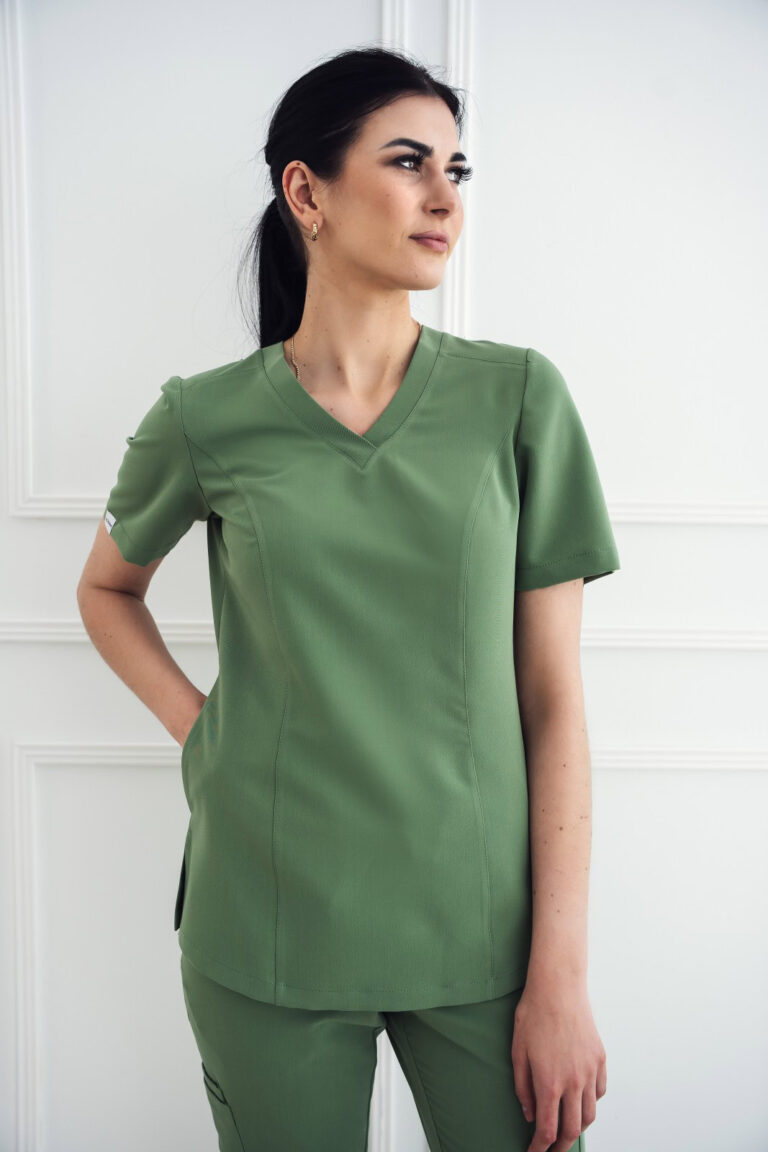
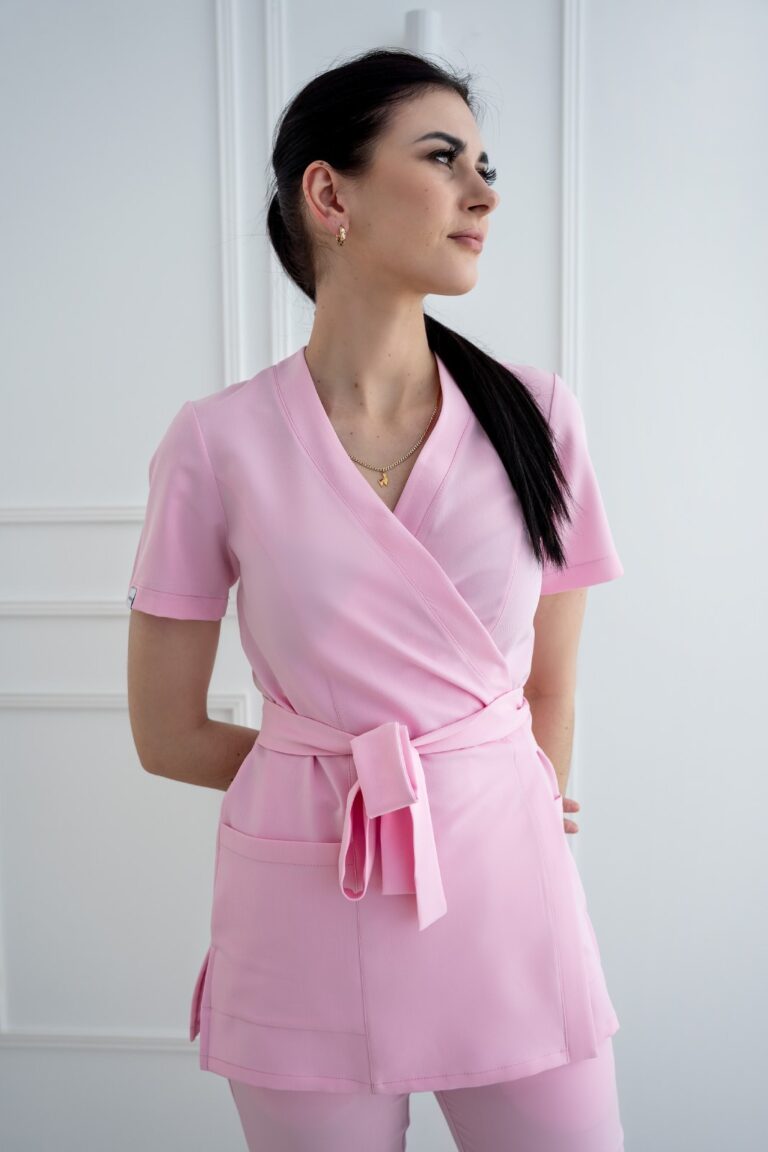
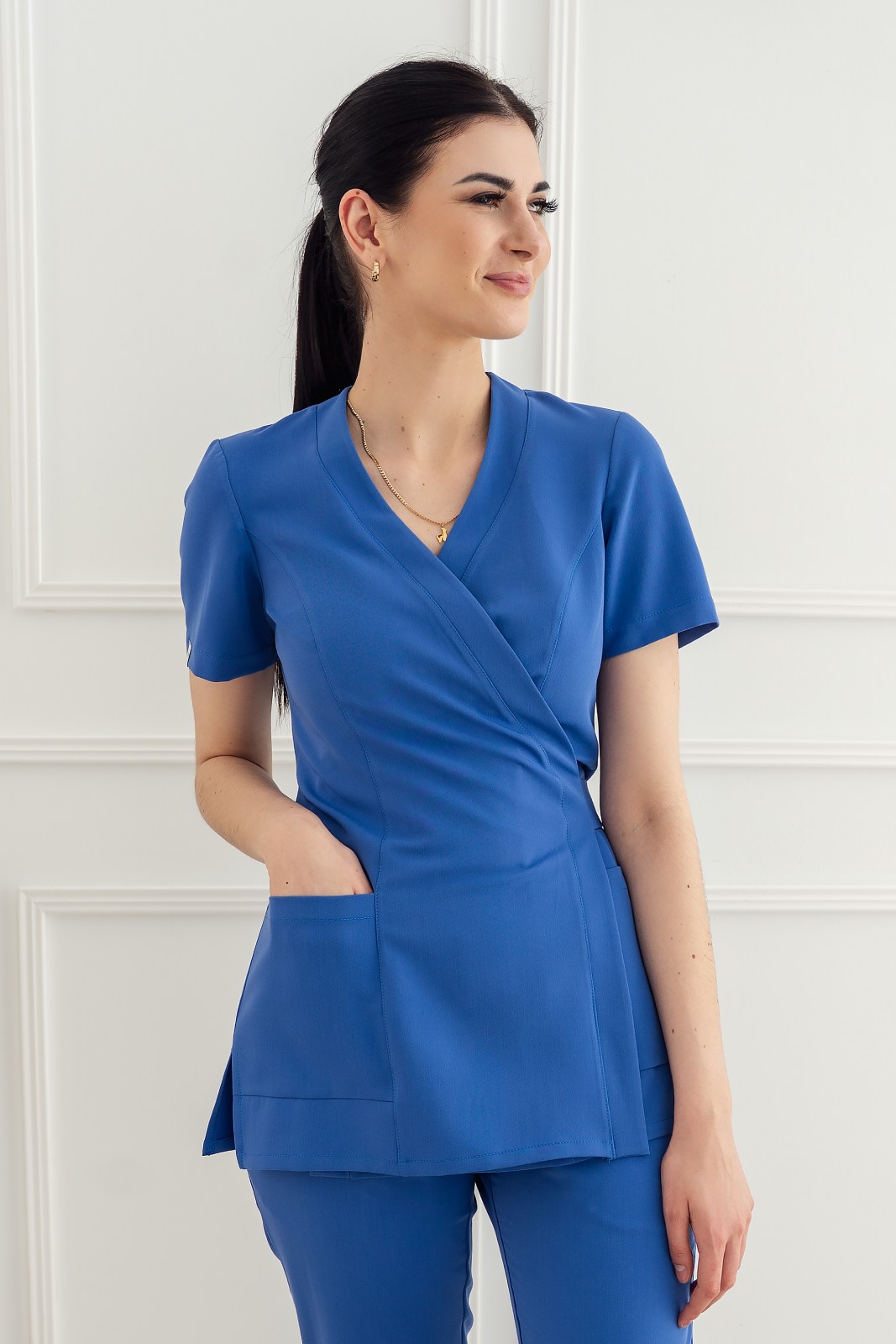
- Modernity: Stylish, slim-fit cosmetic sweatshirt in a trendy colour (e.g. pastels, black or navy blue) sends the message: „I am in a modern practice that follows trends and invests in quality”.
Ergonomics that translate into precision
Let's go back to the reality of physical work. If you're spending 10 hours at work, your attire can't restrict you.
- Flexibility: When performing a precise permanent make-up treatment or massage, you need complete freedom of movement. Modern cosmetic clothing premium, made from blends with elastane, „works” with the body.
- Breathability: Working under a lamp, with steam or under stress. Material that wicks away moisture and is breathable is not a luxury - it is a necessity.
- Functionality: Thoughtful pockets in a tunic or trousers, allowing you to stow your phone, pen or tools, are details that make life easier.
That is why at Scrabme we believe that good cosmetic sweatshirt is an investment that pays off every day - in the comfort of your work, the precision of your treatments and the trust of your clients.
Summary: Profession with a Mission
Working as a cosmetologist in Poland is one of the most demanding yet rewarding career paths. It is constant learning, hard physical work and a huge responsibility. But it is also a real impact on someone's life - getting rid of complexes, regaining self-confidence and improving skin health.
It is a profession for people with passion, empathy and a scientific bent.
Respect your cosmetologist. She is a high-calibre professional who constantly invests in her knowledge to help you. Appreciate her work and listen to her recommendations - she is your best guide to healthy skin.
And if you yourself are that expert who changes someone's life every day - thank you for your work. We know what it costs. Check out Scrabme's beauty wear collection. We created it to keep up with your passion and give you the comfort you deserve.