
Morning stiffness that doesn't go away? A strange „jarring” in the knee when climbing stairs? Or perhaps back pain that has become your daily companion? Most of us experience these signals. We usually ignore them, blaming it on „złhis weather”, „age” or „sedentary work mode”.
We wait for it to pass. But what if it doesn't pass?
Ignoring these signals is a mistake. Our body is a precise mechanism and pain is its early warning system. In the world of medicine, there is a speciality dedicated entirely to this mechanism - this orthopaedics. Today we will go through a complete guide: who an orthopaedist is, when you absolutely must visit one and why modern orthopaedics is much more than just „setting bones”.
What exactly does an orthopaedist do?
Let's start with the basics. Orthopaedics is a branch of medicine focused on the diagnosis, treatment and prevention of diseases and injuries of the musculoskeletal system.
This is a key concept. The musculoskeletal organ is not just bones. It is a complex system of interconnected vessels:
- Bones (skeleton)
- Ponds (e.g. knee, hip, shoulder)
- Ligaments (stabilising joints)
- Tendons (connecting muscle to bone)
- Muscles (driving force)
- Nerves (control system)
The orthopaedic surgeon is the engineer of this system. He deals with everything from congenital defects (such as scoliosis in children) to sports injuries (torn ligaments) to degenerative diseases (arthrosis) that occur with age.
7 Red Flags: When Should You Make an Appointment?
The principle is simple: If pain or dysfunction is making your daily life difficult, don't wait. Here are 7 warning signs that should immediately refer you to an orthopaedic surgeon.
1. chronic joint pain (knees, hips, shoulders)
This is not a „normal” symptom of ageing. Pain that increases with movement, but also occurs at rest, may indicate inflammation or the onset of osteoarthritis. The sooner you react, the better the chance of conservative treatment.
2. spinal pain (lumbar, cervical, thoracic)
Sedentary working patterns are the scourge of the 21st century. If your back pain is dull and constant, radiating into your leg (sciatica) or arm (shoulder pain), a visit is absolutely necessary. It could be a problem with a disc (discopathy) or muscle tension.
3. sudden, acute injury
This is the most obvious reason. A twisted ankle, a fall on the wrist, a „twisted” knee on skis. Even if you think it is „just a contusion”, you should get it checked out. An untreated injury (such as a torn ligament) leads to joint instability and serious problems in przyszłness.
4 Limited Scope of Movement
Having trouble raising your arm to reach the top shelf? Unable to perform a full squat? Difficulty turning your head freely? This is a signal that something is mechanically blocking your joint or that the muscles have become pathologically tight.
5. numbness, tingling, weakness of strength
Orthopaedics works closely with neurology. If your back pain is combined with numbness in your foot or you lose strength in your hand, this may indicate nerve compression. The orthopaedist must find the cause of this compression.
6. Visible Deformities and Swelling
Is your joint swollen, hot and red? Or have you noticed that your toe is starting to twist (hallux valgus)? These are visible signs that something wrong is happening in the locomotor system.
7. Morning Joint Stiffness
Do you wake up in the morning and feel that you need 30 minutes to „stretch” the joints of your hand or knee? This could be a rheumatoid symptom, but just as often it is the first sign of advanced degeneration, which an orthopaedic surgeon can treat effectively.
How to Prepare for a First Visit to an Orthopaedist?
Going to see an orthopaedist? Great decision. To make this visit as effective as possible, you need to prepare for it. The orthopaedist will ask you precise questions.
- Collect Medical History: Prepare a list of all medications and supplements you are taking and surgeries you have had (even seemingly unrelated ones).
- Arrange Research: If you have any old X-rays, magnetic resonance imaging (MRI) or computed tomography (CT) scans of the painful area - take them with you, even if they are several years old.
- Describe Your Pain: This is key. Consider:
- When does it hurt? (In the morning, at night, when walking, at rest)?
- What kind of pain is it? (Stabbing, dull, burning, radiating?)
- What exacerbates it and what brings relief?
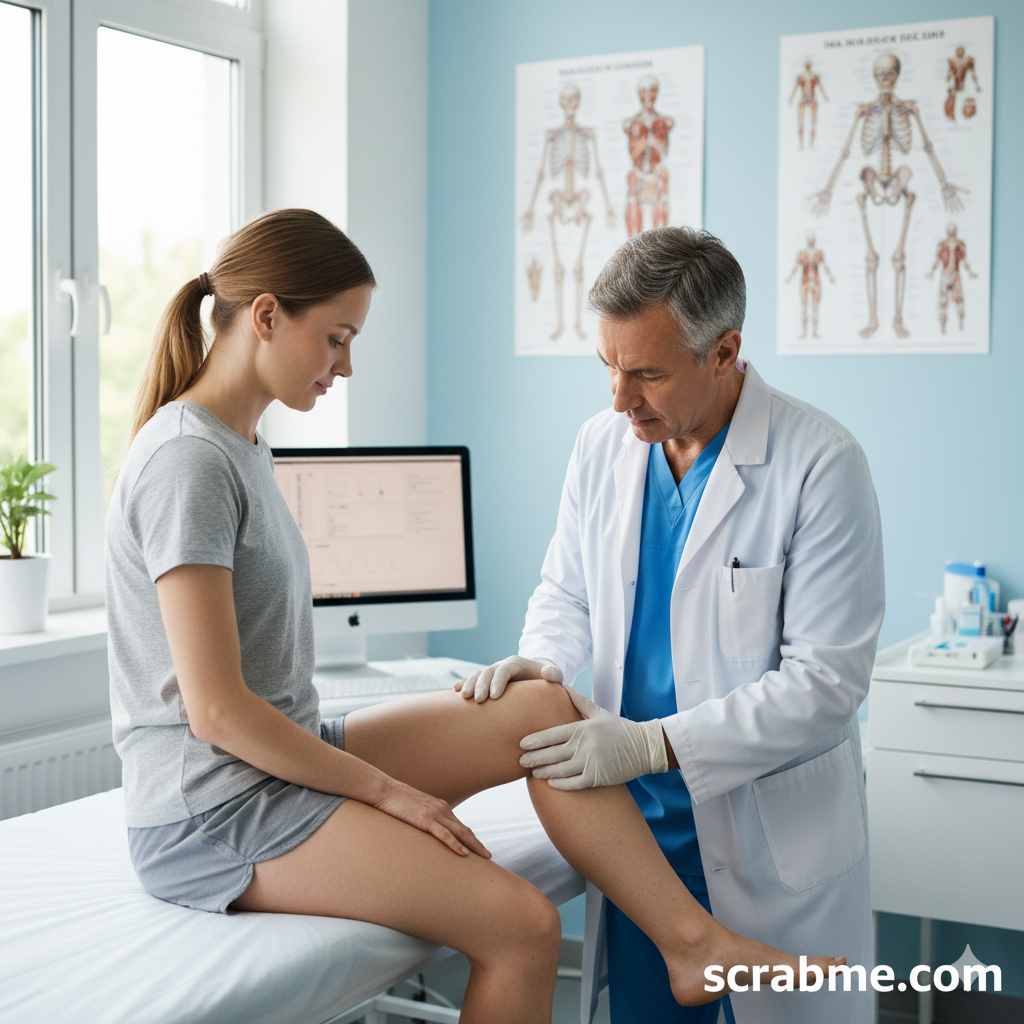
- Comfortable Outfit: This is very important. If your knee hurts, wear loose shorts rather than tight jeans. The doctor will need to examine you, so they need easy access to the sore area.
Pillar of Trust: The Role of the Orthopaedic Surgeon and His Professional Image
We have got to the point. Orthopaedics is a field that requires a great deal of trust. The patient entrusts his body, his fitness, his przyszłness to the doctor.
The modern orthopaedist is a dynamic specialist. His or her job is not just about sitting behind a desk and writing prescriptions. In the office, he performs ultrasound examinations (requiring precision), carries out functional tests (requiring movement), and in the treatment room he performs delivery injections or assists with arthroscopy.
His attire must not restrict him. This is why the professional image in orthopaedics has undergone a revolution.
Old, stiff aprons are a thing of the past. Today, the standard is functional medical garments that have to meet three challenges:
- Mobility: The orthopaedist must have full range of movement to show the patient an exercise or perform a test.
- Functionality: She must have somewhere to stow her phone, a pen or the head for a pocket ultrasound.
- Authority: He must look like a trustworthy expert.
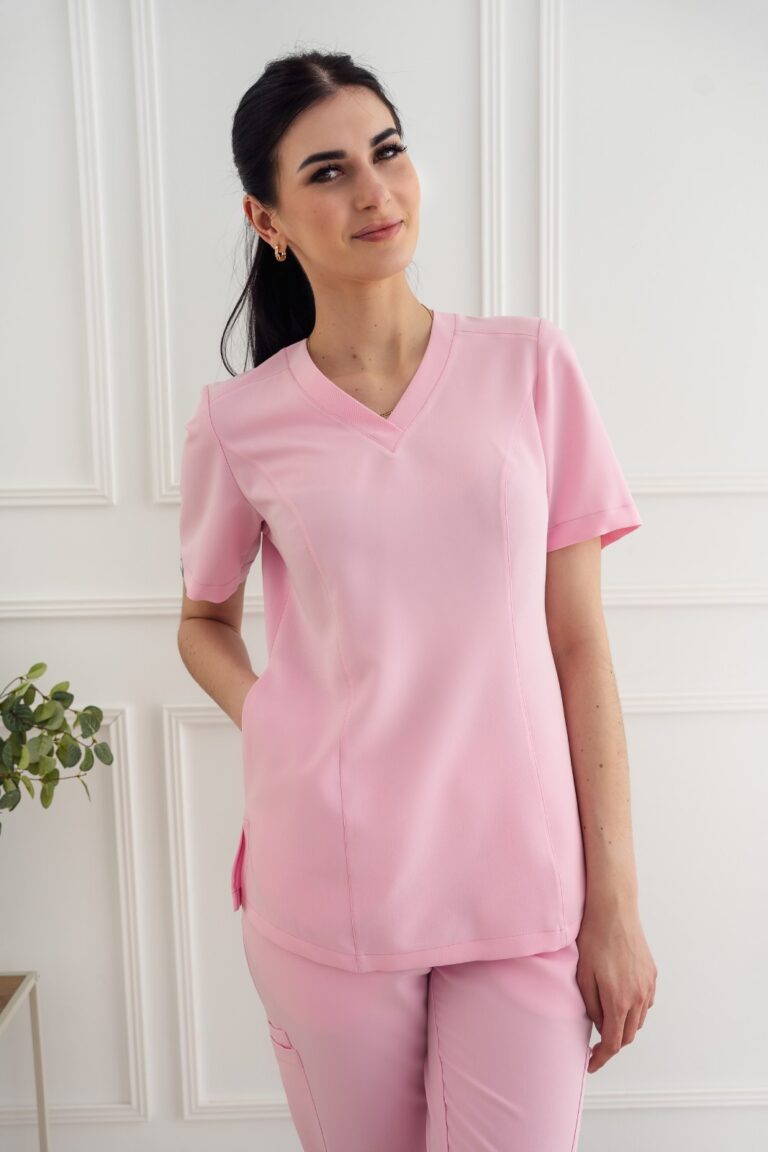
This is why high quality medical blouse has become a technological working tool. Made from stretchy, breathable fabric that doesn't restrict movement, it's as important as a stethoscope. The slim fit, modern design and functional pockets make it medical blousea is today synonymous with professionalism and readiness to act.
A patient subconsciously feels more confident when seeing a specialist in clean, professional and well-fitting clothing (rather than a rumpled apron). He knows that he has come to an expert who cares about every detail - both in his treatment and in his own image.
Modern Orthopaedics is Not Just Surgery
Many people delay their appointment for fear of one thing: „The orthopaedist will definitely refer me for surgery”. This is a myth that needs to be dispelled.
Modern orthopaedics does everything possible to make surgery... avoidable. The scalpel is the absolute last resort.
Today, 90% orthopaedic treatment is conservative treatment. Your treatment plan is likely to include a combination:
- Physiotherapy: The absolute basis. The orthopaedist diagnoses the problem and the physiotherapist is the performer who, through manual therapy and individually tailored exercises, restores fitness.
- Pharmacotherapy: Targeted anti-inflammatory and analgesic drugs (often in the form of ointments or patches) to extinguish the acute condition.
- Injection Therapy (Blockade): Precisely administered medication (e.g. steroids) to the site of inflammation to give immediate relief.
- Regenerative Medicine: Platelet-rich plasma (PRP) or hyaluronic acid injections, which are increasingly popular, are designed to „oil” the joint and stimulate it to regenerate.
- Education and Lifestyle Change: An orthopaedic surgeon can help you understand what you are doing wrong (e.g. in your desk job) and how to change it.
Summary: Don't Ignore Body Signals
The musculoskeletal organ is a marvel of engineering. It allows us to run, dance, work and pursue our passions. When it starts to hurt, don't take it as a judgment, but as an invitation to take action.
A visit to the orthopaedist is not a sign of weakness, but the first and most important step to regaining full fitness. Don't wait for pain to take away your enjoyment of life.
Take care of your musculoskeletal system as it takes care of you every day. If you recognise any of these 7 alarm signals in yourself, make an appointment with a specialist. Your body will thank you.
And if you are a professional - orthopaedic surgeon, physiotherapist, nurse - who struggles every day to keep your patients fit and comfortable, we know how demanding the job is. Check out our collection of Scrabme medical scrubs. We created it to give you the comfort and professionalism you deserve.